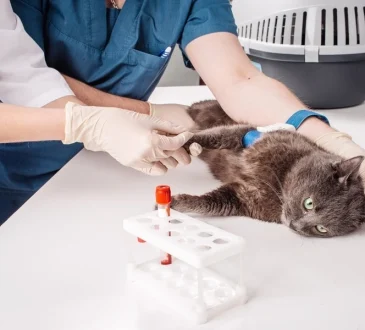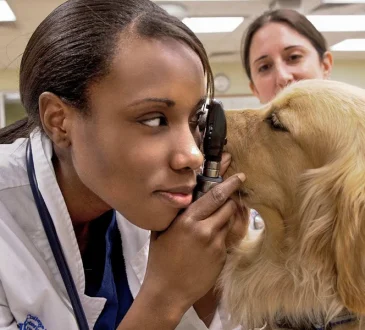


Cats are often perceived as independent and low-maintenance pets, but this can lead to a misconception that they don’t need regular veterinary care. In reality, routine check-ups with vets for cats are essential for maintaining long-term health, identifying early signs of illness, and ensuring appropriate preventive care. If you’ve ever searched the internet for a “vet near me”, chances are you’ve needed help during an emergency — but ongoing, scheduled visits are just as important. This guide explains why regular veterinary visits should be part of every cat owner’s routine.
Early Detection of Health Issues
Cats are masters at hiding discomfort or illness, which makes it difficult for owners to spot problems early. Many chronic diseases, such as kidney disease, diabetes, or dental conditions, develop slowly and without obvious symptoms in the early stages. A professional examination allows vets for cats to detect subtle changes in weight, behaviour, or organ function before they escalate.
Regular blood tests, urine analysis, and physical examinations help identify health issues while they are still manageable. Early treatment can improve outcomes and reduce the need for more intensive or costly care later. A yearly check-up gives the vet a health baseline for your cat and helps track changes over time.
Vaccinations and Preventive Treatments
Routine visits ensure your cat receives vaccinations against infectious diseases like feline calicivirus, panleukopenia, and rabies. Even indoor cats benefit from vaccines, as they can still be exposed to pathogens through human contact or contaminated surfaces. Your vet will tailor a vaccination schedule based on your cat’s age, environment, and lifestyle.
In addition to vaccines, vets for cats provide preventive treatments such as flea and tick control, deworming, and dental care. These measures protect your cat from common but preventable health problems. Visiting a vet regularly helps ensure that no essential aspect of preventive care is overlooked.
Nutritional and Weight Management Guidance
Obesity is a growing concern among domestic cats, often due to overfeeding, lack of exercise, or unsuitable diets. Routine check-ups allow the vet to monitor your cat’s weight and body condition score. If your cat is gaining or losing weight unexpectedly, it may signal an underlying issue that needs to be addressed.
A veterinary team will give you advice on appropriate feeding portions, dietary requirements, and supplements. Some cats may benefit from prescription diets or specialised nutrition, especially if they suffer from allergies, urinary issues, or gastrointestinal problems. Nutritional counselling is an often overlooked but valuable aspect of veterinary care.
Age-Specific Care and Monitoring
As cats age, their healthcare needs change. Kittens require vaccination boosters, desexing, and parasite control, while senior cats need more frequent assessments for arthritis, vision problems, or organ deterioration. A vet can provide age-appropriate screening and adapt the care plan to suit your cat’s life stage.
For older cats, twice-yearly visits are recommended to catch age-related issues early. Routine testing can pick up age-associated conditions like hyperthyroidism or hypertension, which often show no clear symptoms until they’re advanced. A trusted vet ensures continuity of care throughout your cat’s life, from kittenhood to senior years.
Improved Behavioural and Environmental Advice
Cats sometimes exhibit behavioural issues that can stem from stress, anxiety, or underlying medical conditions. Regular vet visits allow for open discussion about litter box habits, aggression, hiding, or excessive grooming. A vet for cats is trained to recognise signs of behavioural health and can recommend solutions or referrals when necessary.
Vets also offer guidance on environmental enrichment, which helps reduce stress and keeps indoor cats stimulated. This includes advice on toys, feeding puzzles, and space arrangements. Behavioural health is closely tied to physical well-being, making it an important topic during regular check-ups.
Conclusion
Routine visits to vets for cats are vital to ensuring your feline companion stays healthy and comfortable at every life stage. These check-ups form the foundation of responsible cat ownership, from early disease detection to preventive care, dietary advice, and behavioural support. Don’t wait for emergencies — search for a vet and schedule that regular visit to keep your cat’s health on track.
Contact Paws N’ Claws today to book a routine check-up with experienced vets who understand your cat’s unique health needs.