
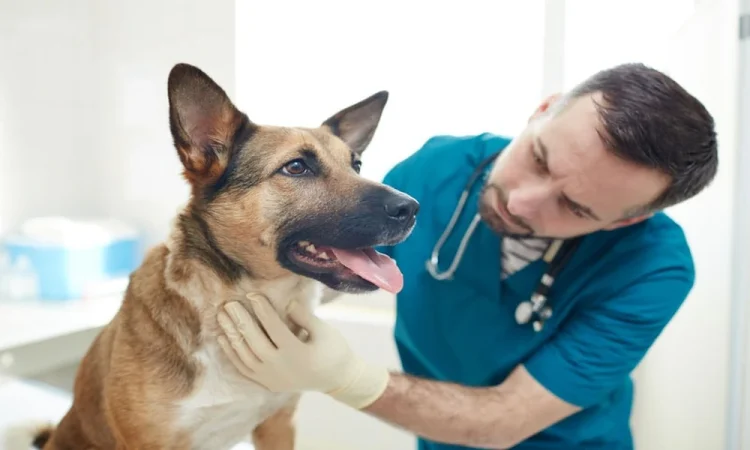
You might be feeling that familiar mix of worry and urgency. Your pet seems off, you need care soon, and now you are trying to figure out whether a small clinic is enough or whether an animal hospital makes more sense, or whether you should see a veterinarian in Alexandria, VA. That question can feel heavier than it sounds, because when your dog, cat, or other companion is sick, every choice feels personal.
There is often a clear before and after in moments like this. Before, routine visits felt simple. Vaccines, checkups, maybe a minor skin issue. After a new symptom appears, or a diagnosis becomes more serious, you start asking different questions. Does this facility have the right equipment? Can they handle emergencies? Will I need to drive somewhere else for testing or treatment? The short answer is that an animal hospital often offers a deeper level of care, especially when your pet needs more than basic wellness support.
So, what really sets them apart? In many cases, it comes down to advanced diagnostics, emergency and critical care, surgery and anesthesia support, and specialty treatment such as cancer care. Those four services often mark the difference between a basic visit and a place equipped to handle complex medical needs under one roof.
When your pet’s condition changes, what does a larger animal hospital offer that a small clinic may not?
A small clinic can be a good fit for routine care. Wellness exams, parasite prevention, vaccinations, and simple illnesses are often handled well in that setting. But the stress rises fast when the problem is less clear. If your pet stops eating, has trouble breathing, collapses, or develops a mass, you may need answers quickly, not days later after several referrals.
This is where animal hospitals vs small clinics often begin to look very different. Larger hospitals are more likely to have in house imaging, laboratory testing, surgical suites, and staff trained for urgent situations. That matters because time matters. If your pet needs bloodwork, X rays, ultrasound, oxygen support, or close monitoring, getting those services in one place can reduce delays and lower risk.
Because of this tension, you might wonder whether the difference is just size. It usually is not. It is about scope. An animal hospital is often built to manage both routine care and more serious medical problems, while a small clinic may focus mainly on preventive and general practice services.
Which 4 services most clearly separate animal hospitals from small veterinary clinics?
The first major difference is advanced diagnostics. If a pet has symptoms that do not point to one simple cause, a hospital may be able to run blood panels, imaging, and other tests the same day. That can shorten the path to treatment and spare you the strain of waiting or traveling to another facility.
The second is emergency and critical care. Not every animal hospital is open around the clock, but hospitals are more likely than smaller clinics to be equipped for urgent cases, intensive monitoring, and rapid stabilization. If your pet is in distress, that level of readiness can be the difference between watchful waiting and immediate intervention.
The third is surgery and anesthesia support. Many small clinics perform routine spay and neuter procedures or minor operations. But when a surgery is more complex, such as removing a large tumor, treating internal bleeding, or repairing an injury, hospitals often have stronger anesthesia monitoring, more surgical staff, and better recovery support.
The fourth is specialty care. For example, some hospitals provide oncology services for pets facing cancer diagnoses. Cornell’s overview of veterinary oncology care shows how involved treatment can become, from diagnosis to chemotherapy planning and long term monitoring. A small clinic may still be part of that journey, but a hospital is more likely to offer direct access to these services or coordinate them closely.
How do practical differences between an animal hospital and a small clinic affect your next decision?
It helps to see the contrast in plain terms. Not every facility will fit neatly into one box, but this comparison can give you a clearer starting point when you are deciding where to go.
| Service Area | Small Clinic | Animal Hospital |
|---|---|---|
| Routine Wellness Care | Commonly available for exams, vaccines, and minor illness | Commonly available, often with broader support staff |
| Advanced Diagnostics | May refer out for imaging or specialized lab work | More likely to offer in house bloodwork, imaging, and monitoring |
| Emergency Response | Limited urgent care capacity in many cases | More likely to stabilize critical patients quickly |
| Complex Surgery | Often limited to routine or lower risk procedures | Better equipped for advanced surgery and anesthesia monitoring |
| Specialty Services | Usually referral based | May offer direct access or closer coordination with specialists |
There is also a public health side to veterinary care that many pet owners do not think about until they need it. Federal veterinary resources, including those from USDA APHIS Veterinary Services, show how animal health connects to disease control, travel, and broader safety concerns. That does not mean every pet visit is an emergency. It does mean the right level of veterinary support can matter more than you first expect.
What can you do right now if you are choosing between a small clinic and an animal hospital?
1. Match the facility to the symptom. If your pet needs a vaccine update or treatment for a mild ear infection, a clinic may be enough. If your pet is struggling to breathe, has had a seizure, swallowed something harmful, or needs a workup for ongoing illness, ask about a pet hospital services setting with diagnostics and urgent care capacity.
2. Call and ask specific questions. Do not settle for general reassurance when you are worried. Ask whether they have in house bloodwork, X rays, ultrasound, surgical monitoring, or after hours support. Ask whether they can manage the issue there or if they expect to refer you elsewhere. A good veterinary team will answer clearly.
3. Think one step ahead. If your pet is older, has a chronic condition, or has recently had a serious health scare, it may help to establish care with a larger veterinary hospital before the next urgent moment happens. That way, you are not making every decision under pressure.
So where does that leave you when your pet needs care?
It leaves you with a simple idea that can ease some of the confusion. Small clinics and hospitals both have an important place in veterinary medicine, but they are not always built for the same job. When the issue is routine, a clinic may be the right fit. When the problem is serious, uncertain, or time sensitive, a hospital often gives your pet access to broader testing, treatment, and support without delay.
If you are weighing options now, trust the fact that your concern is telling you something useful. Ask questions, look at the services available, and choose the setting that fits the level of care your pet may need, not just the appointment you hope it will be. That kind of planning can bring a little calm back into a hard moment.