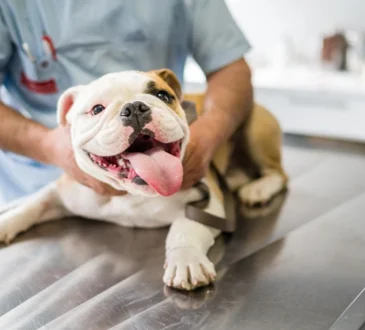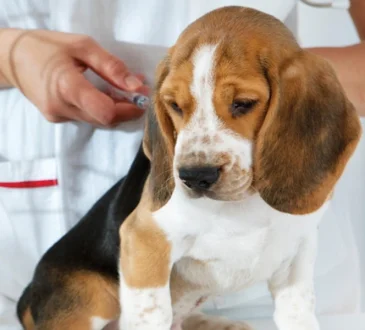

You might not think about the weather changing until your pet starts scratching more, slowing down in the heat, or tracking in things you cannot quite identify after a walk. One season feels easy, then the next brings fleas, ticks, heat stress, dry skin, allergies, or cold weather aches, and suddenly a normal week turns into a call to the vet. That shift can feel frustrating because it often seems to happen fast. The good news is that How Animal Clinics Prepare For Seasonal Pet Health Risks usually comes down to planning ahead, spotting patterns early, and helping you make small changes before a problem becomes urgent, and resources like a North Little Rock spay and neuter clinic can also support your pet’s overall long-term health.
When an animal clinic looks ahead to spring, summer, fall, and winter, the goal is not just treatment. It is prevention, timing, and helping you avoid the stress of a sick pet and an unexpected bill. Because of that, seasonal pet health preparedness often includes vaccine reviews, parasite prevention, heat safety guidance, nutrition checks, and follow up plans based on your pet’s age, breed, lifestyle, and medical history.
Why do seasonal pet health risks seem to appear all at once?
Part of the stress comes from how quickly seasonal changes affect animals. Warmer temperatures can raise the risk of dehydration, overheating, and parasites. Cooler months can bring joint stiffness, weight gain from less activity, and skin issues caused by dry indoor air. Add holiday foods, travel, boarding, storms, or fireworks, and the season starts to shape your pet’s health in ways that are easy to miss at first.
Animal clinics prepare for this by watching the calendar before symptoms show up. In spring and summer, staff often focus on flea, tick, and heartworm prevention, allergy flare ups, and outdoor safety. In colder months, they may talk more about arthritis support, calorie needs, paw care, and household hazards. If your pet is older, very young, flat faced, anxious, or has a chronic condition, that planning matters even more. A mild issue for one pet can become serious for another.
So, where does that leave you? Usually wondering what is your job and what belongs to the clinic. The answer is shared responsibility. You know your pet’s routines. The clinic knows the patterns that seasons bring, and a good animal clinic uses that knowledge to help you stay one step ahead.
How do animal clinics prepare for summer heat, ticks, and other warm weather threats?
Warm weather tends to bring the most visible risks. Pets spend more time outside, walks get longer, and travel picks up. Clinics often respond by reviewing parasite control plans, checking vaccination status, and reminding pet owners about heat safety. Dogs left in yards without enough shade or water can overheat quickly. Brachycephalic breeds, senior pets, overweight pets, and animals with heart or lung issues are often at greater risk. The CDC offers clear guidance on heat and pets, including warning signs and ways to lower danger during high temperatures.
Ticks are another major concern once grass, brush, and wooded trails become part of daily life again. Clinics prepare by recommending preventives based on your pet’s exposure, checking for skin irritation or attached ticks during exams, and explaining how to inspect your pet after time outdoors. If your dog hikes, camps, or spends time in tall grass, prevention becomes even more important. The CDC also explains practical steps for preventing ticks on pets.
What if your pet seems fine, though? That is often the hard part. Many seasonal issues do not start with dramatic symptoms. A pet may simply sleep more, drink a little extra water, lick paws, or resist going outside at the usual hour. Clinics prepare for that quiet phase by encouraging wellness visits that catch small changes early, before they become emergencies.
What changes during colder months and indoor seasons?
Cold weather may look less risky, but it brings its own set of problems. Less exercise can lead to weight gain, and that extra weight can worsen joint pain. Dry indoor heat can irritate skin. Snow, ice, and deicing products can damage paws. Holiday meals and decorations can create digestive issues or toxic exposures. If your pet already has arthritis, kidney disease, diabetes, or anxiety, winter routines can make those conditions harder to manage.
This is where preventive pet care works quietly in the background. Clinics often adjust advice by season, not because your pet is suddenly unhealthy, but because their environment has changed. A food portion that worked during an active summer might be too much during a sedentary winter. A senior dog who did well on stairs a few months ago may now need traction support, pain management, or a mobility check.
What practical steps do clinics and pet owners each handle best?
| Seasonal Risk | What You Can Do at Home | How the Clinic Helps |
|---|---|---|
| Heat stress | Limit midday exercise, provide shade and water, watch for panting or weakness | Assess risk factors, treat overheating, advise on safe activity levels |
| Ticks and fleas | Check coat after walks, keep up with preventives, avoid heavy brush when possible | Recommend products, test for related illness, treat skin reactions |
| Seasonal allergies | Wipe paws, track itching patterns, reduce known triggers | Diagnose cause, prescribe relief, rule out infection or parasites |
| Winter joint pain | Use soft bedding, keep walks shorter but regular, manage weight | Evaluate mobility, adjust pain plan, suggest supportive therapies |
| Diet and routine changes | Monitor appetite, treats, activity, and water intake | Review weight trends, tailor feeding advice, check for underlying illness |
What can you do right now to support seasonal pet safety?
1. Schedule care before the season peaks. Try not to wait until symptoms show up. A routine visit before summer or winter gives the clinic time to review vaccines, parasite prevention, medications, and any chronic conditions that may worsen with weather changes.
2. Track small changes at home. Write down shifts in appetite, energy, scratching, limping, thirst, or bathroom habits. These details may seem minor, but they help the clinic connect symptoms to seasonal patterns and act faster.
3. Build a simple seasonal checklist. Include preventives, grooming, paw checks, safe exercise times, travel supplies, and emergency contacts. This makes pet health risk prevention feel manageable, especially when life is already busy.
How can preparation make each season easier on you and your pet?
You do not need to predict every problem to protect your pet well. You just need a plan that shifts with the season, pays attention to early signs, and gives you support before things get serious. That is how animal clinics prepare for seasonal pet health risks, and it is also how pet owners regain a little peace of mind. When prevention is built into the year, each season feels less like a surprise and more like something you are ready to handle.
If your pet is heading into a new season with changes in routine, age, or health, now is a good time to schedule a checkup with an animal clinic and talk through what to watch for next.