

Pets do not show discomfort or decline directly. Instead, you will notice it in their behavior and awareness. But for many pet owners in North Atlanta, it is only when daily habits begin to fail that they discover the extent to which things have changed.
Below, we will discuss how to interpret some common pet symptoms. When a number of them occur, they tend to convey a deteriorating quality of life.
Daily behavior and energy changes
A change of routine is one of the first signs. You can find that your pet is:
- Sleeping a lot more than usual
- Avoiding family contact
- The walks become shorter
- There is no longer a play time
- They may be less responsive to their name or favorite sounds
- No longer showing interest in things they previously enjoyed.
The changes can be very slow. That is why it is easy to dismiss them, but they accumulate with time.
Digestive changes
An elderly dog or cat nearing death will likely show reduced interest in food and water. Weight loss might happen even without changing their diet. It might experience digestive problems like:
- Vomiting
- Diarrhea
- Swallowing problems.
This is when you should prioritize the day-to-day comfort of your pet. You might also start researching pet cremation and burial options. This should be part of your practical planning.
Physical decline
Aged pets may experience difficulty with physical activities like:
- Standing
- Climbing stairs
- Running
- Maintaining balance.
This is expected with aging. But deteriorating mobility indicates something more. More severe symptoms include:
- Frequent falls
- A stiffness that does not improve with rest
- An unwillingness to move at all.
Incontinence may also occur. Not because of any problem with training, but because the body is no longer capable of controlling the most basic functions effectively.
Painful breathing and visible discomfort
You cannot overlook these signs of painful breathing:
- Difficulty breathing
- Constant cough
- Prolonged gaps between breaths.
These symptoms can also be accompanied by indicators of discomfort, like:
- Trembling
- Whining
- Over-panting
- Posture changes to alleviate pain.
Pets are good at concealing pain. When the misery is apparent, the problem is usually severe.
Brain changes: Cognitive and sensory
Older pets are likely to be disoriented. They might seem to be confused or restless, particularly during the night. Common signs include:
- Pacing
- Gazing at walls
- Inability to recognize familiar people and surroundings.
Hearing or vision loss can increase this confusion. This makes everyday living even more stressful for your pet.
This is when many owners consider pet euthanasia. It helps to alleviate unnecessary suffering. However, it is important to engage a veterinary doctor. They will help you determine whether it is a humane choice, depending on your pet’s level of suffering.
Final thoughts
When you know these signs, you can act thoughtfully and not emotionally. If your pet has several of them, its quality of life is deteriorating.
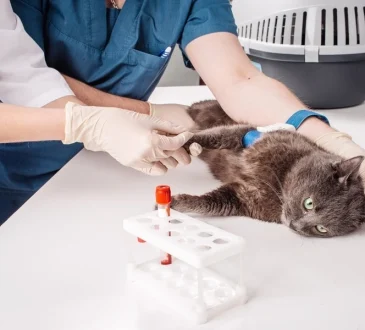
You can have a veterinarian evaluate it. Then they will suggest available solutions. This will depend on your pet’s condition, pain level, and prognosis.