
You might be feeling that quiet fear pet owners know too well. Your dog seems a little off. Your cat is hiding more than usual. Nothing looks dramatic, and that can make it harder, not easier, because you are left wondering whether you are overreacting or missing something serious. That space between “maybe it is nothing” and “what if it is not” is where many pet emergencies begin, and getting help from an animal hospital in Roanoke, VA can make all the difference.
Here is the short answer. Why Early Detection Saves Lives In Veterinary Medicine comes down to time. When illness or injury is found early, treatment often works better, costs less, and gives your pet a better chance at a full recovery. Whether the issue is pain, infection, internal bleeding, cancer, or organ disease, quick action can change the outcome.
Why do small changes in pets matter so much?
Pets are good at hiding pain. It is a survival instinct, and it means the signs you see at home are often subtle at first. A skipped meal, extra sleep, limping that comes and goes, sudden thirst, vomiting once and then seeming fine. These can look minor, but sometimes they are the first signs of something deeper.
Because of this, delayed care can become expensive in more ways than one. Emotionally, you may feel guilt for not bringing your pet in sooner. Financially, a condition that could have been managed with an exam and medication may turn into emergency imaging, surgery, or hospitalization. This is one reason early diagnosis in pets matters so much. It gives you options while the problem is still manageable.
So, where does that leave you? It means paying attention to patterns, not just dramatic moments. If your pet is acting differently, that change deserves respect.
What kinds of warning signs should you never ignore?
Some symptoms need immediate care, even if they seem to come out of nowhere. Trouble breathing, collapse, repeated vomiting, seizures, severe weakness, a swollen abdomen, pale gums, or trouble urinating can all point to urgent problems. Texas A&M offers a helpful guide on recognizing pet emergency signs, and it can help you decide when waiting is not the safe choice.
There are also slower-moving conditions that benefit from early attention. Dental disease can lead to infection and pain. Kidney disease may first show up as drinking more water. Arthritis may look like “slowing down with age” when your pet is actually hurting. Cancer can begin as a small lump that is easy to remove before it spreads.
This is the heart of preventive pet care. You are not just reacting to crisis. You are catching change before change becomes damage.
How can earlier veterinary care change the outcome?
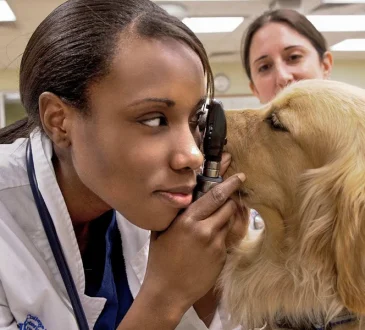
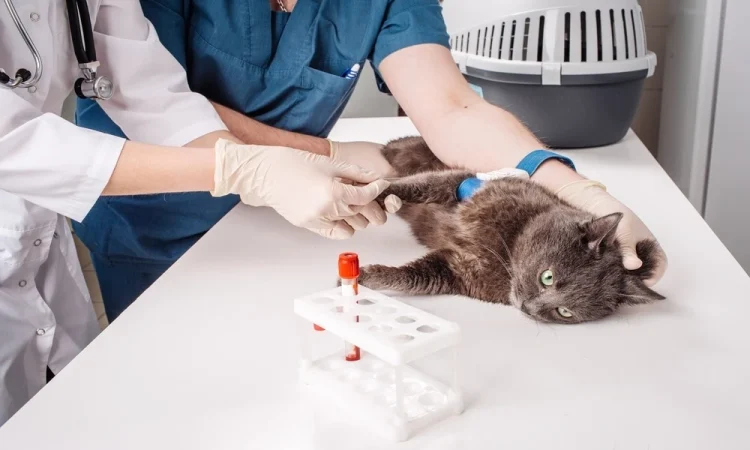
When a problem is found early, your veterinarian can often confirm what is going on with a physical exam, lab work, or imaging before the illness advances. That matters because treatment is usually simpler when the body is not already under major stress.
Think about a few common “what if” moments. What if a dog stops eating because of a foreign object in the stomach? Early care may mean faster diagnosis and a safer intervention. What if a cat is visiting the litter box often but producing little urine? That can become life-threatening quickly, especially in male cats. What if a lump seems small and harmless? Testing it early can tell you whether it should be removed now rather than later.
For pet owners facing cancer concerns, the Texas A&M Fluorescence Animal Diagnostics and Imaging Research program also highlights how better detection methods can support more informed treatment decisions. The point is simple. Better information, sooner, helps protect your pet.
What does early detection look like in real life?
It does not mean panic over every sneeze. It means noticing changes, trusting your instincts, and using a general veterinarian before a problem turns urgent. Veterinary early detection often starts with routine exams, wellness bloodwork, dental checks, and conversations about behavior that may seem small but are not.
| Situation | If You Act Early | If You Wait |
|---|---|---|
| New lump on the skin | Aspirate or biopsy while it is small, with more treatment choices | Possible growth, spread, or more complex surgery |
| Drinking more water than usual | Blood and urine tests may catch kidney disease, diabetes, or infection early | Greater risk of dehydration, weakness, and organ strain |
| Reduced appetite for 24 hours | Exam may find pain, dental disease, stomach upset, or blockage sooner | Weight loss, worsening illness, and emergency care |
| Limping that comes and goes | Earlier pain control and imaging if needed | Further injury and longer recovery |
What can you do right now to protect your pet?
1. Track changes, even the quiet ones.
Write down when symptoms started, how often they happen, and what else changed around the same time. Appetite, energy, drinking, bathroom habits, and mobility all matter. This gives your veterinarian a clearer picture and can speed up diagnosis.
2. Keep routine exams on the calendar.
A wellness visit is not just for vaccines. It is a chance to catch heart murmurs, weight changes, dental disease, lumps, and lab abnormalities before they become harder to treat. Older pets often benefit from more frequent checkups because disease can progress faster with age.
3. Know your emergency line.
Have the contact information for your regular clinic and the nearest emergency hospital saved in your phone. If your pet shows signs like labored breathing, collapse, seizures, or trouble urinating, do not wait to “see if it passes.”
When your pet seems off, is it better to check sooner?
Most of the time, yes. You are not being dramatic. You are being careful with a life that depends on you. That is what good pet care looks like. A general veterinarian can help you sort out what is urgent, what can be monitored, and what needs treatment now.
The hard part is that pets cannot explain what hurts. The hopeful part is that your attention can speak for them. If something feels different, trust that feeling and schedule an exam. Early care can bring relief, protect your options, and in many cases, save your pet’s life.