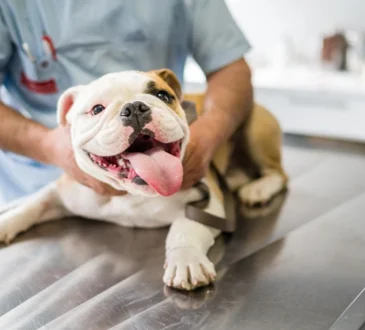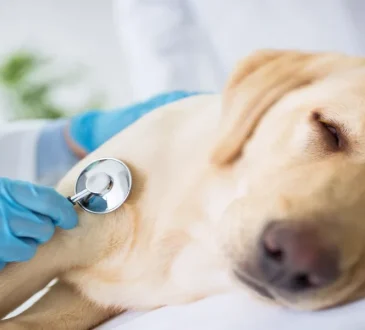

You might be noticing small changes in your pet before anyone else does. Maybe your dog no longer jumps onto the couch, or your cat has become quieter, less playful, and harder to read. At first, it can seem like aging, a mood shift, or a passing problem. Then the worry sets in, because you know your pet cannot tell you what hurts. That is where a small animal veterinarian can make such a meaningful difference, especially when advanced services like pet surgery in San Diego, CA are available. In simple terms, better veterinary care often means less pain, earlier answers, steadier behavior, and a longer stretch of good days for the pets who depend on you.
For many families, the hard part is not love. It is knowing what to do with the signs they see. Is that limp serious, or just stiffness after a long walk? Is your cat hiding because she is stressed, sick, or both? Because of this tension, you might wonder what a veterinarian really changes beyond vaccines and annual checkups. The answer is more than most people realize.
How does a small animal veterinarian catch problems before they steal your pet’s comfort?
One of the clearest ways small animal veterinarians improve quality of life for pets is by finding illness early, before it grows into a crisis. Dogs and cats are skilled at masking pain. A pet can keep eating, wagging, or purring while dealing with dental disease, arthritis, skin infections, or organ problems. By the time symptoms become obvious at home, your pet may have been uncomfortable for weeks or months.
Regular exams help connect the dots. A veterinarian can notice weight changes, joint stiffness, heart murmurs, dental pain, and subtle shifts in mobility that are easy to miss in day-to-day life. According to Cornell’s small animal community practice, routine preventive care is a key part of keeping pets healthy through every life stage. That matters because early treatment is often simpler, less stressful, and less costly than emergency care later on.
What does that look like in real life? A senior dog who starts treatment for arthritis early may keep enjoying walks, stairs, and family outings. A cat with thyroid disease caught during screening may return to grooming, eating well, and acting more like herself. These are not small wins. They shape daily life for both pet and owner.
Can pain control and treatment planning give your pet more good days?
Yes, and this is the second major way a companion animal vet improves quality of life. Pain changes everything. It affects sleep, movement, appetite, behavior, and even the bond your pet has with your family. A pet in pain may seem withdrawn, grumpy, restless, or unusually clingy. Without treatment, those changes can become your new normal, even when they should not be.
Veterinarians do more than prescribe medication. They build treatment plans that fit your pet’s age, condition, and daily routine. That can include weight management, joint support, dental care, skin treatment, diagnostic testing, surgery, or safe pain relief. If you are considering medication, it helps to review the FDA’s guidance about pain relievers for pets, especially since human medications can be dangerous for animals.
The goal is not simply to treat disease on paper. It is to help your pet move with less strain, eat without pain, rest more comfortably, and stay engaged with the people and routines they love. So, where does that leave you if your pet seems off but not clearly sick? It leaves you with a good reason to ask questions early.
What if the problem is behavior, not illness, or maybe both?
This is where many families feel stuck. A dog starts snapping during grooming. A cat begins avoiding the litter box. A once social pet becomes anxious, destructive, or hard to settle. It is easy to label this as a training issue, but behavior often has medical roots. Pain, fear, cognitive decline, digestive trouble, and hormonal changes can all show up as behavior problems first.
A veterinarian helps sort out what is driving the change. Sometimes the answer is medical treatment. Sometimes it is behavior support, environmental changes, or a referral for more advanced care. Tufts offers insight into veterinary behavior services that can help families understand fear, anxiety, and aggression in a more informed way.
This matters because behavior problems can erode quality of life fast. They strain routines, create safety concerns, and can even put pets at risk of being rehomed. When a veterinarian addresses both physical and emotional health, your pet has a better chance of feeling secure again. That is one reason pet quality of life care is never just about one symptom.
Why does long-term guidance from a small animal veterinarian matter so much?
The fourth way veterinarians help is through continuity. Pets change over time, and so do their needs. Puppies and kittens need preventive care, nutrition guidance, and parasite control. Adult pets need monitoring, dental attention, and weight management. Senior pets often need screening, pain support, and closer follow-up. A trusted small animal veterinarian helps you adjust as those stages shift.
That guidance can also reduce financial stress. Preventive care and planned treatment often cost less than waiting until a problem becomes urgent. Just as important, ongoing care gives you a clearer picture of what is normal for your pet, which makes it easier to act when something changes.
What are the practical benefits of home monitoring versus veterinary care?
You know your pet best, and home observation matters. Still, there are limits to what you can confirm without training, diagnostics, and a treatment plan. The table below shows why both pieces matter, but why professional care is often what protects quality of life in a lasting way.
| Situation | Home Monitoring Alone | Veterinary Care |
|---|---|---|
| Mild limp or stiffness | May seem temporary; cause often unclear | Can identify arthritis, injury, or pain source and start treatment |
| Change in appetite | Easy to watch for a day or two, but reason is unknown | Can assess dental pain, illness, digestive issues, or organ disease |
| Behavior changes | May be mistaken for attitude or aging | Can rule out pain, anxiety, neurologic issues, or medical causes |
| Preventive health | Relies on visible symptoms | Finds hidden problems earlier through exams and screening |
What can you do right now if you want better care for your pet?
1. Track small changes. Write down shifts in appetite, movement, sleep, bathroom habits, and behavior. Patterns help your veterinarian spot problems faster, especially when symptoms come and go.
2. Schedule care before things feel urgent. If your pet has been “a little off” for more than a few days, or if a senior pet is slowing down, do not wait for a crisis. Early visits often lead to simpler answers and more treatment options.
3. Ask quality of life questions. Instead of only asking what the diagnosis is, ask how your pet can be more comfortable at home. Ask about pain control, diet, activity changes, and what signs mean the plan is working.
Your pet does not need to be in obvious distress to deserve help. Often, the biggest improvements come from catching quiet problems early and treating them with care. If something has felt off lately, trust that instinct and schedule a visit with a small animal veterinarian. A few timely changes can give your pet more ease, more comfort, and more good days with you.