

You may already be picturing the first night home, the quiet corner for a bed, the way this pet might finally relax once they know they are safe. Then the harder thoughts show up. Can you handle daily medications, mobility issues, extra vet visits, or the cost of long term care, including veterinary care in Monterey Park, CA? That tension is real. Wanting to help is one thing. Being ready for the work is another.
Pets with disabilities, chronic illness, or age related changes can live full, happy lives. They also ask more of your time, money, space, and emotional energy. Before you say yes, slow down and ask better questions. That gives you a fair picture of what this animal needs and what your home can truly provide. If you are weighing questions to ask before adopting a special needs pet, the goal is not to talk yourself out of it. The goal is to make a decision you can stand by six months from now.
Your daily routine shapes whether special care pet adoption will work
The first question is simple. What does this pet need every single day, and can your household do it without falling apart? A blind dog may need a stable layout and patient guidance. A senior cat with kidney disease may need prescription food, regular lab work, and close monitoring. A dog with mobility loss may need lifting help, rehab exercises, and help getting outside. Texas A&M offers a helpful look at caring for dogs with special needs, including the kind of daily support many families do not expect at first.
This is where good intentions often meet real life. If you work long shifts, travel often, or have a home full of stairs and small children, care can become inconsistent fast. That does not make you uncaring. It means the fit may be wrong, or the support system is not there yet.
The medical history tells you what the next year may look like
Ask for records before you commit. What diagnosis has been made, what testing has already been done, what medications are used now, and what follow up is expected? If the pet is older, ask about hearing, vision, arthritis, appetite, dental disease, and organ function. The AVMA shares a clear guide on senior pet care and aging changes that can help you spot needs that are common but easy to miss.
Without records, you are guessing. Guessing gets expensive and stressful. A pet who seems “low maintenance” in a shelter may actually need repeat bloodwork, pain management, or a special diet within weeks. If you know that upfront, you can plan for it. If you do not, the shock can strain the bond before it has time to grow.
Costs go beyond the adoption fee and basic supplies
The third question is whether your budget can absorb recurring care, not just the first month. Medications, mobility aids, special food, recheck exams, dental care, imaging, and emergency visits add up quickly. Many families can handle one piece of that list. Fewer can handle all of it at once.
Important considerations when adopting include looking honestly at finances, housing, and long term responsibility. That honesty protects the pet as much as it protects you. Rehoming after a medical issue becomes unmanageable is painful for everyone involved.
Your home setup can reduce stress or create it
Look at your space the way the pet will experience it. Are floors slippery? Are there steep steps, narrow hallways, or a yard that is hard to access? Can a deaf pet see you approach, or will they be startled all day? Can a cat with arthritis reach food, water, and the litter box without pain? A home does not need to be perfect, but it does need to be workable.
This matters even more with adopting a pet with medical needs. Small changes such as rugs for traction, ramps, low entry litter boxes, raised bowls, and a quieter room can make a major difference in comfort and safety.
The right veterinary support should be in place before adoption
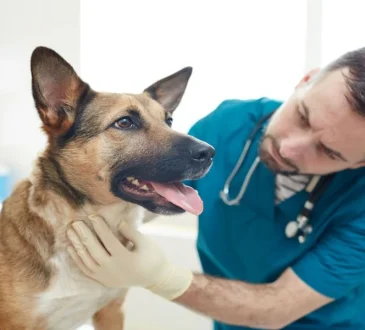
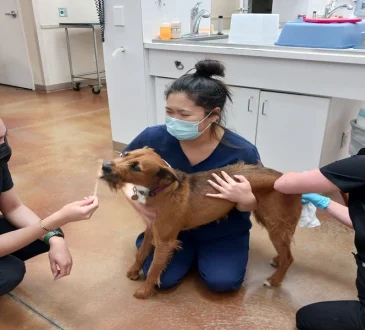
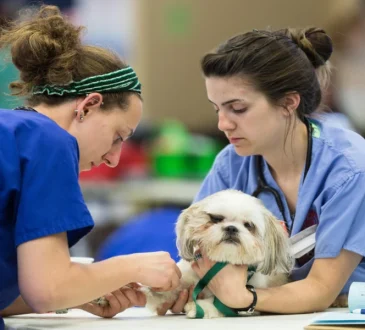
Ask yourself who will guide this pet’s care once they come home. A relationship with an animal hospital matters because special care pets often need monitoring, medication adjustments, and preventive care that changes with age or disability. The University of Georgia outlines the value of senior wellness services, and that same structured follow up helps many pets with ongoing conditions, not just seniors.
If your plan is to “figure it out later,” later usually arrives during a flare up, a fall, or a weekend emergency. Having a veterinarian, a treatment plan, and a realistic schedule for checkups gives you a steadier start.
Family buy in affects the pet’s stability
Everyone in the home needs to understand what care involves. If one person expects a calm companion and another is prepared for lifting, cleaning accidents, and giving medication twice a day, resentment builds fast. Pets pick up on that tension. They do better when the household is consistent, patient, and clear about roles.
This is one of the most overlooked parts of special care pet adoption. Love does not replace teamwork.
A clear comparison can show where the pressure points are
| Question to Ask | If the Answer Is Yes | If the Answer Is No |
|---|---|---|
| Can you manage daily treatments on schedule? | The pet gets steady care and fewer setbacks. | Missed doses and stress can lead to worsening symptoms. |
| Can your budget handle repeat veterinary care? | You can respond early instead of waiting for a crisis. | Care may be delayed, which often raises both risk and cost. |
| Is your home safe for mobility or sensory limits? | The pet moves with more confidence and less pain. | Falls, fear, and frustration become more likely. |
| Do all household members agree on the plan? | Care stays consistent and the pet settles in faster. | Conflict and uneven care can make adjustment harder. |
Three steps can help you decide with more confidence
Get the full record before you commit. Ask for diagnosis notes, medication lists, feeding instructions, recent lab results, and the name of the current veterinarian or rescue contact. If the answers are vague, press for details.
Test your routine against the pet’s needs. Write out a normal weekday and weekend. Add medication times, bathroom help, transport needs, cleaning, and follow up appointments. You will see quickly whether the plan fits your real life.
Schedule a baseline visit with an animal hospital right away. Early care gives you a starting point and helps catch issues before they become emergencies. It also gives you a place to turn when new symptoms show up.
Bringing home a pet with special care needs can be deeply rewarding, but only when hope is backed by a workable plan. You do not need to be perfect. You do need to be honest about what this pet will need tomorrow, next month, and next year. That kind of honesty is care. The right support from an animal hospital can help you give that pet a stable, comfortable life.