
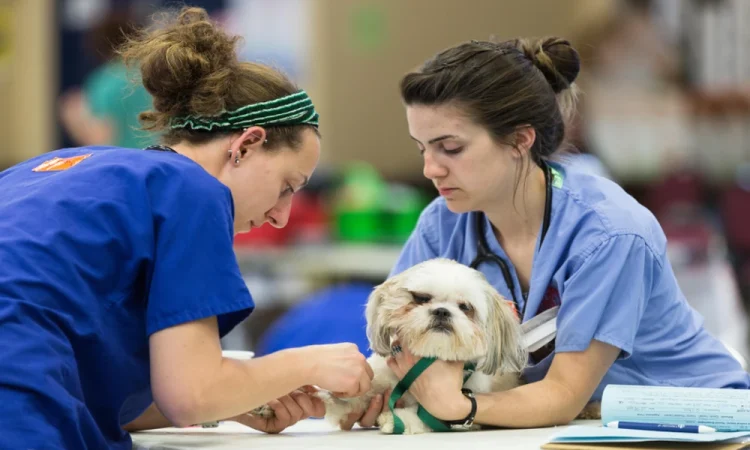
You might already know this tension well. A rescue group is trying to save as many animals as possible, and a veterinary hospital is trying to give each pet safe, timely care, often relying on a trusted veterinarian in St. Joseph, Missouri, yet both sides are often working with limited time, limited space, and limited money. When a dog comes in heartworm positive, or a litter of kittens needs exams before foster placement, the pressure builds fast. Everyone wants the same thing, but getting there can feel harder than it should.
That is where strong partnerships matter. When rescue groups and a veterinary hospital work together with clear expectations, medical planning, and shared trust, animals move through care more safely and more quickly. In simple terms, the role of veterinary hospitals in partnering with rescue groups is to bring medical structure, disease control, treatment planning, and professional guidance to the lifesaving work rescues do every day.
Why Do Rescue Partnerships With a Veterinary Hospital Matter So Much?
Rescue work often starts with urgency. A stray dog needs a health certificate. A senior cat needs pain control. A puppy arrives with vomiting, and no one knows whether it is stress, parasites, or something more serious. Because of that urgency, it is easy for care to become reactive instead of planned.
A veterinary hospital helps steady that process. It can create intake protocols, vaccine schedules, spay and neuter timelines, diagnostic plans, and follow-up care instructions. That structure protects animals, and it also protects the people trying to help them. Foster homes need guidance. Rescue coordinators need realistic treatment estimates. Adopters need honest medical records. Without a medical partner, those pieces can fall apart.
There is also the issue of population health. One untreated upper respiratory infection in a crowded rescue setting can spread quickly. Parasites, skin disease, and preventable illness can do the same. Programs grounded in shelter medicine show how organized veterinary oversight can reduce suffering and improve outcomes across whole groups of animals, not just one pet at a time.
What Problems Can Show Up When Animal Rescue and Veterinary Care Are Not Aligned?
Sometimes the problem is not lack of compassion. It is lack of process. A rescue may assume a hospital can squeeze in ten animals for same-day exams. A hospital may assume the rescue has isolation space for contagious cases. Then reality hits. Appointments run over. Staff gets overwhelmed. Animals wait longer than they should.
Money can complicate things too. Who approves treatment if an animal needs emergency surgery? Is there a spending cap? What happens if diagnostics suggest a long-term condition like diabetes or heart disease? If these questions are answered late, stress grows for everyone.
Then there is recordkeeping. Vaccines, test results, medication logs, and sterilization status all need to be accurate. For organizations handling regulated animal care, federal expectations around attending veterinarians and oversight can shape responsibilities in serious ways. The USDA outlines key duties in its guidance for licensee and registrant responsibilities. Even when a rescue is not operating under the same rules, the message is still useful. Good care depends on clear veterinary authority and consistent medical records.
So, where does that leave you? Usually in need of something practical, not just hopeful. That is why the best veterinary rescue partnerships are built on systems, not assumptions.
How Can a Veterinary Hospital Support Rescue Groups in Real Life?
The support can look different from one organization to the next, but the basics stay the same. A hospital may provide intake exams, vaccines, testing, surgery, dental care, and treatment for illness or injury. It may also help a rescue create standing protocols for common situations, such as when to isolate a coughing dog, when to test for feline leukemia, or how to manage pain after surgery.
Education matters too. Rescue leaders and foster volunteers often do better when they are not left guessing. Resources focused on education in shelter medicine can help teams understand disease prevention, housing, sanitation, and transport issues that affect rescue outcomes every day.
In many cases, the hospital also becomes the voice of medical realism. That can be hard, but it is necessary. Some animals need simple treatment and recover fast. Others may need ongoing care beyond what a rescue can safely provide. Honest conversations about prognosis, cost, quality of life, and adoption readiness are part of responsible animal rescue veterinary support.
What Should a Strong Rescue and Veterinary Hospital Partnership Include?
A good relationship works best when both sides know what to expect. The table below can help clarify the difference between a loose arrangement and a structured one.
| Area | Loose Arrangement | Structured Partnership |
|---|---|---|
| Scheduling | Last-minute requests and uneven access to care | Reserved appointment blocks for rescue cases |
| Medical Approval | Unclear who can approve treatment costs | Written spending limits and named decision makers |
| Infectious Disease Control | Case-by-case reactions after illness spreads | Set intake, isolation, vaccine, and testing protocols |
| Records | Scattered paperwork and missing medication history | Shared, consistent medical records for each animal |
| Foster Support | Volunteers rely on informal advice | Clear discharge instructions and follow-up guidance |
| Budget Planning | Frequent surprise bills | Expected pricing, deposit terms, and approval process |
When you look at it this way, the goal is not perfection. It is predictability. Animals do better when the humans around them are not scrambling.
What Can You Do Right Now to Build a Better Partnership?
1. Put expectations in writing. Start with the basics. Decide who can authorize care, how records will be shared, what the payment timeline looks like, and how urgent cases should be handled after hours. A short written agreement can prevent a lot of confusion.
2. Create standard medical protocols. Work with the hospital to outline intake exams, vaccine timing, testing, parasite control, isolation rules, and surgery plans. This is one of the most useful ways to strengthen rescue group veterinary collaboration because it turns repeated chaos into routine care.
3. Review outcomes together every few months. Look at adoption readiness, common illnesses, missed appointments, treatment costs, and foster concerns. If ringworm cases are rising or surgery delays are growing, you want to spot that early and adjust.
How Do You Move Forward Without Burning Out?
If you are trying to coordinate rescue work and medical care at the same time, it makes sense if you feel stretched. The work is emotional, and the stakes are high. Still, a steady partnership between a rescue and a veterinary hospital can ease a lot of that weight. It creates a safer path for animals, clearer decisions for people, and better outcomes for everyone involved.
The best next step is a simple one. Start the conversation, define the process, and build from there. A thoughtful veterinary hospital partnership can help rescue groups do more good with less confusion and less risk.