
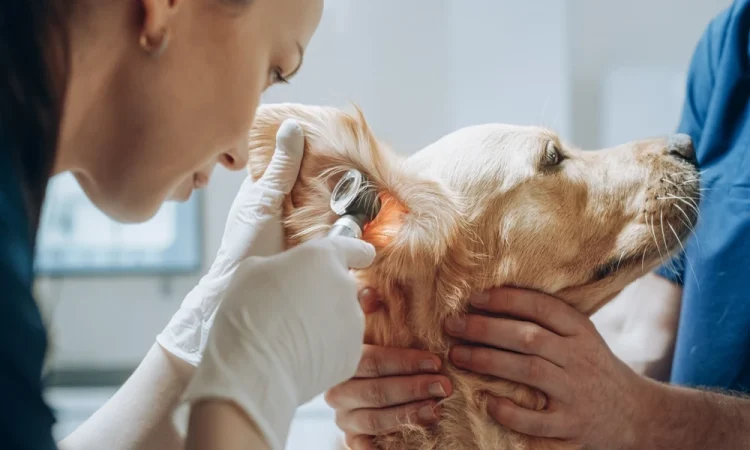
You might be feeling like life split into two parts the moment your pet was diagnosed. Before, there were routines you barely noticed. After, there are pills on the counter, follow up visits on the calendar, and a quiet worry that never fully leaves. When a dog or cat needs care for months or years, it is not just a medical issue. It changes your time, your budget, and your peace of mind. The good news is that a veterinarian in Lake Charles and animal hospitals do much more than provide one appointment at a time. They help organize care, track change, adjust treatment, and support you through the long middle stretch.
That is really the heart of The Role Of Animal Hospitals In Managing Long Term Treatments. A strong hospital team does not only respond when something goes wrong. It helps build a plan for chronic care in pets, watches for small shifts before they become emergencies, and teaches you what to do at home so treatment feels more manageable.
Why can long term treatment feel so hard to manage on your own?
At first, the plan may sound simple. Give the medication. Watch for side effects. Come back in a few weeks. But long term care often becomes more layered than that. A pet with kidney disease may need diet changes, fluid support, lab work, and close monitoring of appetite and weight. A pet receiving cancer treatment may need careful timing, safety steps at home, and fast answers if new symptoms appear. When care stretches over time, small details matter, and those details can be hard to carry alone.
Because of this tension, you might wonder where an animal hospital fits in. The answer is in coordination. A hospital can connect primary care, internal medicine, oncology, nutrition, surgery, and nursing support. That kind of teamwork matters when one issue affects another. If a pet with chronic kidney disease stops eating, for example, the question is not only what food to offer. It may also be whether the treatment plan needs to change. Guidance on chronic kidney disease nutrition for pets shows how closely diet, comfort, and medical monitoring are tied together.
This is where veterinary hospitals for ongoing treatment make a real difference. They create structure around a condition that can otherwise feel uncertain. They keep records in one place, compare test results over time, and help you understand whether a bad day is expected or a sign to act quickly.
What does an animal hospital actually do during ongoing pet treatment?
Long term care is rarely one single treatment repeated forever. It is more often a cycle of evaluation, adjustment, and support. An animal hospital may start by confirming the diagnosis and setting a baseline. From there, the team tracks how your pet responds, whether the medicine is still working, and whether side effects are becoming too hard on daily life.
Think about a pet receiving chemotherapy. Many owners fear the treatment itself, but they also worry about handling waste, protecting children, and keeping the home safe. Clear instructions can lower that stress. Guidance on safe handling of chemotherapy for pet owners shows how hospitals support families beyond the exam room. They do not just send medication home and hope for the best. They explain what normal looks like, what precautions to take, and when to call.
The same is true in oncology planning. A service outline like this pet oncology information sheet helps show how hospital based care often includes staging, treatment scheduling, progress checks, and quality of life discussions. That broader view matters, especially when your pet cannot tell you exactly how they feel.
How does hospital managed care compare to trying to piece it together yourself?
There is a reason many families lean on an animal hospital when treatment becomes long term. Home care is still a major part of success, of course, but home care works best when it is backed by a system. Without that support, it is easy to miss patterns, delay rechecks, or assume a symptom is minor when it is not.
| Care Approach | What It Looks Like | Main Benefit | Main Risk |
|---|---|---|---|
| Home care without close hospital follow up | Medication and observation based mostly on day to day judgment | Lower short term cost and fewer visits | Missed side effects, delayed treatment changes, less coordinated records |
| Hospital managed long term care | Scheduled exams, lab work, specialist input, and home care guidance | Earlier response to changes and a clearer treatment plan | More time commitment and ongoing expense |
| Shared care between owner and hospital | Daily home monitoring with regular veterinary review | Balance of convenience, safety, and continuity | Requires strong communication and follow through |
So, where does that leave you? Usually in the middle. Most long term cases work best with a shared model. You handle the daily care. The hospital handles the medical oversight. That partnership is often the most realistic and the most protective.
What can you do right now to make long term treatment easier?
1. Build one clear care record. Keep all medications, doses, appetite notes, bathroom changes, and test dates in one place. Bring it to every visit. Patterns are easier to spot when the full picture is visible.
2. Ask what changes should trigger a call. Do not settle for general advice. Ask specific questions. How many missed meals matter? How much vomiting is too much? What counts as an emergency after hours? This makes long term treatment at an animal hospital feel less confusing because you know the lines before a crisis starts.
3. Talk early about quality of life, cost, and goals. These conversations can feel hard, but they help your veterinary team guide you better. If your goal is comfort over aggressive treatment, say that. If your budget has limits, say that too. Good care planning is honest care planning.
When treatment is ongoing, what matters most?
What matters most is not perfection. It is consistency, communication, and support. A good animal hospital helps you make steady decisions over time, even when emotions run high. It gives you a place to ask questions, adjust the plan, and keep your pet as comfortable and stable as possible.
If you are facing months of medication, monitoring, or repeat visits, remember this. You do not have to carry the whole burden alone. The right animal hospital can turn a scattered process into a guided one, and that can make a hard season feel more manageable.