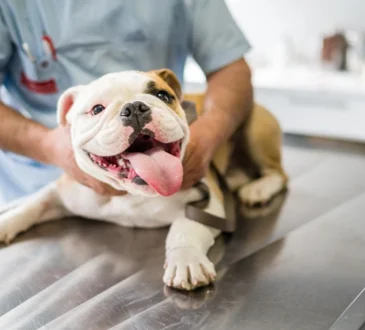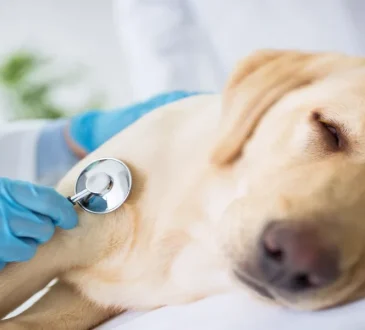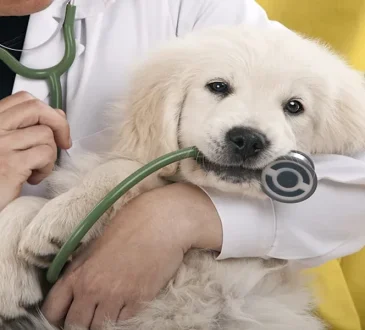

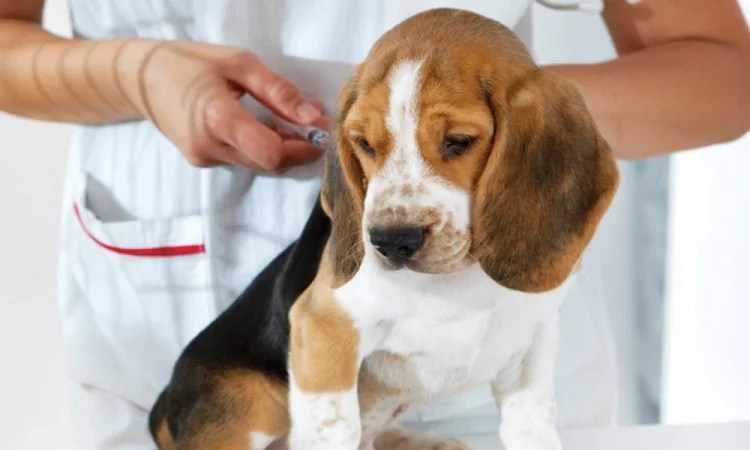
You might not think about zoonotic disease control until something feels off. A pet starts coughing. A family member gets a strange rash. A farm animal seems stressed, and then more animals show the same signs. Before that moment, your full-service veterinary clinic in Westminster may have felt like the place you go for vaccines, checkups, and an upset stomach. After that moment, it becomes something else entirely. It becomes part of the line that helps protect your home, your animals, and your wider community.
That shift can feel unsettling, because zoonotic diseases move between animals and people, and that means small problems can carry bigger consequences. The short version is simple. Veterinary clinics help spot disease early, guide testing and treatment, report concerns when needed, and connect pet owners, livestock owners, and public health teams before an illness spreads further. That is why Why Veterinary Clinics Are Essential For Zoonotic Disease Control is not just a public health question. It is a daily, practical one.
What Makes Veterinary Clinics So Important In Preventing Animal-to-Human Disease?
When people hear about infections that pass from animals to humans, they often picture rare outbreaks or headline-making emergencies. But the truth is more ordinary, and because it is ordinary, it is easy to miss. A bite wound that becomes infected. A kitten with ringworm. A dog exposed to rabies. Backyard poultry carrying salmonella. Ticks brought in on a hiking dog. These are common situations, and each one needs calm, informed care.
This is where veterinary clinics matter. They are often the first place where warning signs show up in a way that can be recognized. A veterinarian does not just treat one sick animal in isolation. They also ask where that animal has been, what it has eaten, whether people in the household are ill, whether other animals are affected, and whether there has been wildlife contact. Those details can reveal a pattern that pet owners may never see on their own.
Because of that, veterinary teams support animal to human disease prevention in ways that go far beyond routine appointments. They provide vaccines, parasite control, diagnostic testing, infection control advice, and clear instructions about cleaning, isolation, and follow-up care. They also help people understand when a problem is mostly manageable at home and when it may need public health attention.
What Happens When Zoonotic Risks Are Missed?
If these risks are overlooked, the cost can spread quickly. There is the health cost, of course, especially for children, older adults, pregnant people, and anyone with a weakened immune system. There is also the emotional cost of wondering whether you exposed someone you love without realizing it. Then there is the financial side. Delayed care can mean more testing, more treatment, lost workdays, and in some settings, losses to farms, shelters, or breeding operations.
Think about a simple what-if. A puppy has diarrhea, and everyone assumes it is stress from a new home. Days pass. The puppy is actually carrying a pathogen that can spread through contact with stool, bedding, or contaminated surfaces. A clinic visit can change the whole picture. Instead of guessing, you get testing, treatment guidance, and cleaning steps that protect both the pet and the household.
So, where does that leave you? It leaves you with a clear reason to treat your veterinary clinic as a front-line partner in public health, not just a place for pet care.
How Do Veterinary Clinics Support Public Health Beyond The Exam Room?
Veterinary clinics are part of a wider network. The Centers for Disease Control and Prevention offers veterinary resources for healthcare and animal care professionals that support disease recognition, prevention, and response. That matters because clinics do not work alone. They connect with laboratories, state officials, physicians, animal control, and health departments when a case raises concern.
This approach reflects the One Health model, which recognizes that human health, animal health, and environmental health are linked. The CDC explains this clearly in its One Health zoonoses prevention overview. In real life, that means a veterinarian who notices a pattern in animals may help stop illness in people too.
There is also a practical communication layer. Through the CDC’s Zoonoses and One Health Updates call, professionals share current information about emerging risks and response strategies. For pet owners and animal caretakers, that behind-the-scenes coordination often means faster answers and better guidance when something unusual appears.
Should You Handle A Possible Zoonotic Issue At Home Or Call A Veterinary Clinic?
It is tempting to wait and see, especially when symptoms seem mild. Sometimes that works out. Sometimes it does not. A clearer comparison can help.
| Situation | Handle At-Home | Call A Veterinary Clinic |
|---|---|---|
| Minor concern with no human exposure, such as one missed meal | Monitor briefly, track symptoms, keep water available | If symptoms continue beyond a day or new signs appear |
| Diarrhea, coughing, skin lesions, or parasites | Basic hygiene and isolation from other pets if possible | Yes, because these signs may involve infectious risk |
| Animal bite or scratch that breaks skin | Wash the wound right away | Yes, for the animal assessment and human medical guidance |
| Exposure to wildlife, bats, or unknown animals | Do not touch saliva or bodily fluids | Yes, urgently, due to rabies and other disease concerns |
| Multiple animals sick in one home or facility | Separate animals if you can and disinfect shared areas | Yes, because clusters can signal a broader outbreak |
What Can You Do Right Now To Lower Zoonotic Risk?
1. Keep preventive care current. Stay on schedule with vaccines, parasite prevention, and wellness exams. Many zoonotic threats become far less likely when pets receive routine care and early screening.
2. Treat unusual symptoms as information, not an inconvenience. If your pet has vomiting, diarrhea, skin changes, coughing, weight loss, or behavior shifts, write down when it started, what changed, and whether any person or animal has similar symptoms. That record helps a clinic spot patterns faster.
3. Build better hygiene habits at home. Wash hands after handling animals, litter boxes, waste, raw diets, or outdoor gear. Clean food bowls and bedding often. Teach children safe handling, especially around reptiles, poultry, and young animals.
Why Does Early Veterinary Care Matter So Much?
When a zoonotic disease is caught early, the path is often simpler. You get clearer answers, better protection for the people around you, and a stronger chance of limiting spread. When it is missed, uncertainty grows, and so does the risk. That is why veterinary clinics are so central to zoonotic disease control. They help connect the dots before those dots become a wider problem.
If you have concerns about a pet, livestock animal, or possible exposure, do not ignore that uneasy feeling. Reach out to a trusted veterinary clinic and get guidance early. A timely call can protect more than one life.