
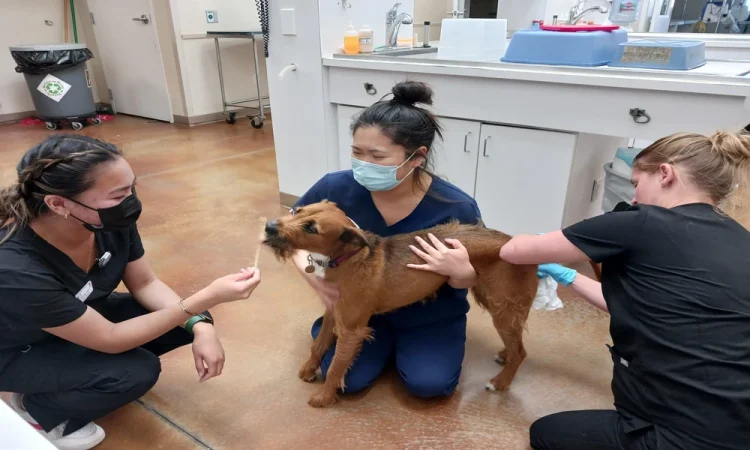
You might know the feeling before you even pull into the parking lot. Your dog starts panting in the back seat, your cat stiffens the moment the carrier comes out, and you are already bracing for a hard visit before the exam even begins. That stress is real, and it affects pets just as much as it affects you. The good news is that many clinics are changing how care feels, not just how care is delivered, including options like vet surgery in Sumter, SC. How veterinary hospitals create fear free experiences for pets often comes down to small, thoughtful choices that lower anxiety, build trust, and make medical care easier for everyone involved.
When a pet is afraid, even a routine checkup can turn into a struggle. Because of that tension, you might wonder whether a calmer visit is actually possible. It is. A low stress veterinary visit is not about spoiling pets or avoiding needed treatment. It is about reading body language, adjusting the environment, and handling pets in ways that help them feel safer.
Why do vet visits feel so hard for some pets?
Pets do not understand why they are being placed in a carrier, lifted onto a table, or touched by strangers. They only know that the smells are unfamiliar, the sounds are sharp, and the experience can feel out of their control. For some animals, that fear builds over time. One rough visit can shape how they react at the next one.
That matters more than many people realize. Stress can raise heart rate, affect breathing, and even change exam findings. A frightened pet may look aggressive when they are really scared. A shut down pet may seem calm when they are actually overwhelmed. According to Texas A&M’s guidance on stressful situations for pets, common triggers include loud noises, strange places, changes in routine, and forced handling. A veterinary hospital that takes those triggers seriously can often prevent a spiral before it starts.
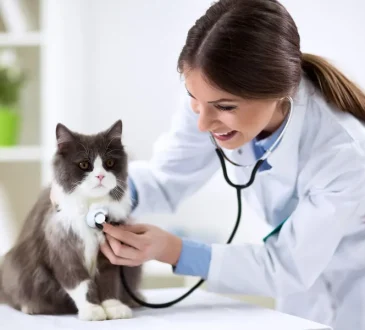
So, what does that look like in practice? It usually starts before the doctor enters the room. Staff may speak softly, move slowly, offer treats, use non slip mats, and avoid restraint when a gentler option will work. Cats may be examined partly inside the carrier. Dogs may be allowed time to sniff the room and settle. In some cases, pre visit medication is recommended so the pet arrives less anxious and more able to cope.
How do veterinary hospitals create fear free experiences for pets during the visit?
The best fear free pet care is built around one simple idea. The team adapts to the pet, instead of forcing the pet to adapt to the clinic. That shift changes everything.
For example, a nervous dog who hates being lifted may do better with an exam on the floor. A cat who panics in a bright, busy treatment area may stay calmer in a quiet room with the top removed from the carrier. A pet with a history of fear may be scheduled during a slower part of the day, which reduces waiting room stress and gives the team more time.
Research and training in low stress handling support this approach. Ohio State outlines practical ways clinics can improve low stress handling in veterinary practice, including reading early signs of fear, using less force, and rewarding calm behavior. Cornell also shares ways to make veterinary visits less stressful for dogs, such as happy car rides, practice visits, and bringing favorite treats or toys.
If you have ever left a veterinary hospital feeling upset because your pet had to be pinned down or dragged through the visit, that memory can stick with you. It can also make you put off future care, and that delay may lead to bigger health problems and higher costs later. A gentler approach often helps pets accept care sooner, which can make treatment more effective and less expensive over time.
What difference does a fear free approach make for pets and owners?
Sometimes it helps to compare the two experiences side by side.
| Standard high stress visit | Low stress veterinary hospital approach |
|---|---|
| Long wait in a noisy lobby | Quieter scheduling, faster room placement, fewer triggers |
| Immediate hands on restraint | Time to acclimate, treats, gentle handling, choice when possible |
| Exam on a slick table | Non slip surfaces, floor exams, carrier based cat exams |
| Fear escalates and pet resists | Stress signals noticed early and plan adjusted |
| Owner feels helpless or embarrassed | Owner is included, informed, and coached through the visit |
| Future visits become harder | Positive repetitions can improve future appointments |
This is where a veterinary hospital can make a real difference. When the team treats fear as a medical concern, not a behavior problem, the whole visit changes. Your pet is more likely to cooperate, you are more likely to keep up with preventive care, and the bond between you and your pet is protected instead of strained.
What can you do right now to help your pet have a better veterinary hospital visit?
1. Prepare before the appointment.
Bring high value treats, a favorite blanket, or a familiar toy. Leave the carrier out at home so it does not only mean stress. Take short car rides that do not end at the clinic. If your pet has a history of panic, ask in advance whether calming medication might help.
2. Ask the clinic about their handling approach.
You are allowed to ask how they work with fearful pets. Do they use quiet rooms, slower introductions, floor exams, or species specific spaces for cats and dogs? A good veterinary hospital will not be bothered by these questions. They will usually welcome them.
3. Watch your pet’s body language and speak up.
You know your pet best. If you see trembling, lip licking, freezing, tucked posture, growling, or frantic movement, say something early. Those signs matter. A pause at the right moment can prevent a full blowup and help the team reset the visit.
Where does that leave you and your pet?
If vet visits have been hard, that does not mean they always will be. Many pets can learn that a veterinary hospital is not something to fear when the people around them slow down, pay attention, and work with their needs instead of against them. That is the heart of how veterinary hospitals create fear free experiences for pets, and it is why this approach matters so much.
You do not need a perfect pet for a better visit. You just need a clinic that understands fear, respects it, and has a plan to reduce it. When you are ready, reach out to a veterinary hospital and ask how they help anxious pets feel safe during care.