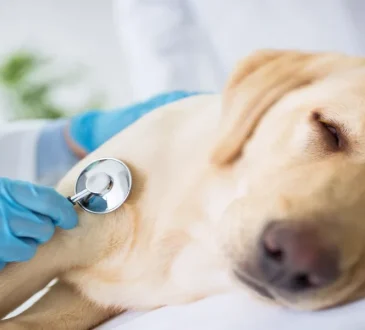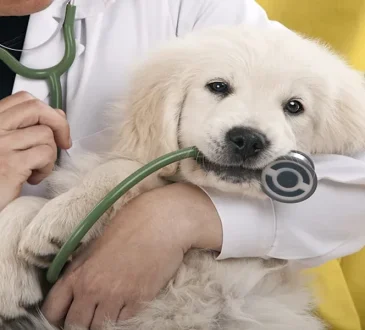

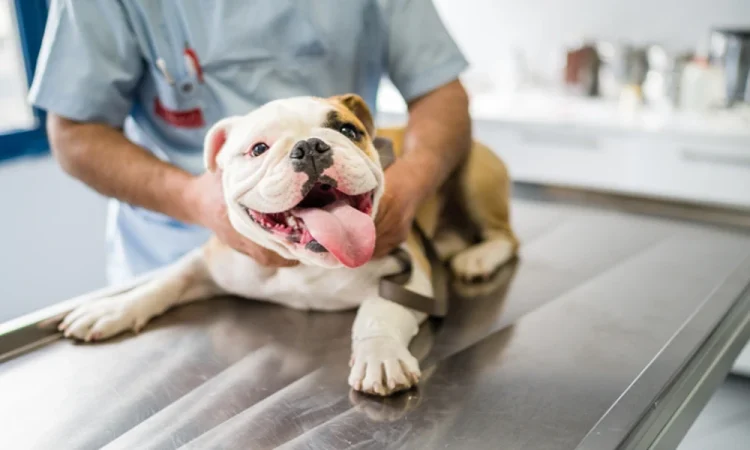
You usually walk into a trusted veterinary clinic in Dallas, TX because something feels wrong. Your dog is limping, your cat stopped eating, your new rescue seems scared of everything, and you need answers fast. In that moment, it is easy to think of a clinic as one thing only, a place that treats illness or injury. The truth is wider than that, and it matters for every pet owner, every rescue group, and every community trying to keep animals safe.
How Veterinary Clinics Contribute To Animal Welfare Beyond Treatment comes down to prevention, education, humane handling, public health, and support for animals that may never have had stable care in the first place. A good clinic is not just where animals go when they are sick. It is often where suffering gets prevented before it starts, where neglect gets noticed early, and where people get the guidance they need to care for animals with more confidence and less fear.
Veterinary clinics protect animal welfare long before a crisis starts
Animal welfare is not limited to emergency surgery or a prescription. It includes comfort, nutrition, safety, behavior, housing, pain control, and the ability to live without avoidable distress. That is where a veterinary clinic often has its strongest effect. Vaccines prevent diseases that can spread fast and cause severe suffering. Wellness exams catch dental pain, skin infections, weight loss, and mobility problems before they become harder and more expensive to treat. Spay and neuter services reduce overpopulation, which lowers the number of animals that end up abandoned or in overcrowded shelters.
You see this in ordinary appointments that do not look dramatic from the outside. A technician notices a dog flinching when touched near the hips. A veterinarian sees that a rabbit’s nails are overgrown and its diet is off. A cat that came in for vaccines turns out to be living with untreated arthritis. These are not small details. They are quality of life issues, and they shape whether an animal spends its days in comfort or chronic stress.
This is one reason animal welfare support from veterinary clinics reaches far beyond the exam room. Clinics help owners understand body condition, pain signals, parasite control, safe exercise, and species-specific needs. A short conversation about litter box setup, heat safety, or proper restraint can prevent months of distress.
Veterinary care supports shelters, rescues, and community programs
Many clinics also support animals whose lives are already unstable. Shelters, rescue groups, foster networks, and low cost community programs often rely on veterinary teams for intake exams, infectious disease control, spay and neuter care, and treatment plans that make adoption possible. That work protects both individual animals and the larger population.
Community medicine is a clear example. Programs like shelter and community medicine services help connect veterinary care with public need, especially for animals in shelters or homes with limited resources. When a clinic partners with these efforts, it helps reduce surrender rates, improves adoption outcomes, and gives owners a better chance of keeping pets safely at home.
The stress here is real. If you are worried about cost, transportation, or whether your pet’s behavior will make a visit harder, you are not alone. Those barriers often delay care until a problem becomes painful and expensive. Clinics that offer education, phased treatment plans, behavior-aware handling, or referrals to community resources are doing animal welfare work in a direct, practical way.
Veterinary clinics also uphold humane standards and public accountability
Veterinary clinics and animal welfare are closely tied to humane standards. Clinics document injuries, identify signs of neglect, and in some cases help report abuse or unsafe conditions. They also guide animal businesses, breeders, shelters, and owners toward accepted care standards for housing, sanitation, transport, and handling.
Federal guidance shapes part of that larger picture. The Animal Welfare Act resource from USDA APHIS outlines standards connected to animal care and oversight. For the average pet owner, that may sound far removed from daily life, but it affects the systems animals move through, from transport and housing to inspection and accountability.
This kind of oversight matters because suffering is not always obvious. An animal can be fed and still be malnourished. It can be housed and still be living in fear, pain, or filth. A veterinary clinic helps translate those hidden problems into clear care standards, then into action.
Prevention and delayed care create very different outcomes
| Clinic Role | Early Welfare Impact | What Delayed Care Often Leads To |
|---|---|---|
| Wellness exams | Find pain, weight changes, skin issues, and behavior shifts early | Advanced disease, higher treatment costs, longer recovery |
| Vaccination and parasite control | Prevents avoidable illness and spread to other animals | Outbreaks, severe illness, shelter intake complications |
| Spay and neuter services | Reduces unwanted litters and some reproductive health risks | Overpopulation, abandonment, strain on rescues and shelters |
| Behavior and handling guidance | Lowers fear, improves safety at home and during visits | Bites, chronic stress, surrender due to unmanaged behavior |
| Nutrition and chronic care support | Improves long term comfort and daily function | Ongoing pain, mobility loss, preventable decline |
The pattern is simple. Early support costs less than crisis care, but the bigger difference is suffering. Animals do not explain pain in words. They show it in movement, appetite, sleep, grooming, and behavior. A veterinary clinic is trained to read those signs before they become impossible to ignore.
Small actions from pet owners strengthen the work of a veterinary clinic
Schedule care before there is a clear emergency. Annual or species-appropriate wellness visits are not extra. They are where many welfare problems first get caught. If your pet is aging, anxious, or living with a chronic condition, ask whether more frequent check-ins make sense.
Track changes at home and bring specifics. Write down appetite changes, bathroom habits, limping, scratching, sleep shifts, and new fears. A short note on your phone can help your clinic connect the dots faster and build a more accurate plan.
Ask about support beyond treatment. Many clinics can help with behavior advice, diet guidance, pain management, preventive plans, rescue referrals, senior pet care, and local low cost resources. If money is tight, say so early. A good clinic would rather help you build a realistic plan than see your pet go without care.
Animal welfare grows stronger when veterinary care is part of daily life
Veterinary services do much more than treat a sick pet on a hard day. They reduce suffering before it starts, support families who are trying to do right by their animals, and strengthen the systems that protect pets, rescues, and shelter animals alike. If your animal has not had a recent checkup, or if something has felt off and you have been putting it off, now is a good time to reach out to a veterinary clinic and get clear guidance.