
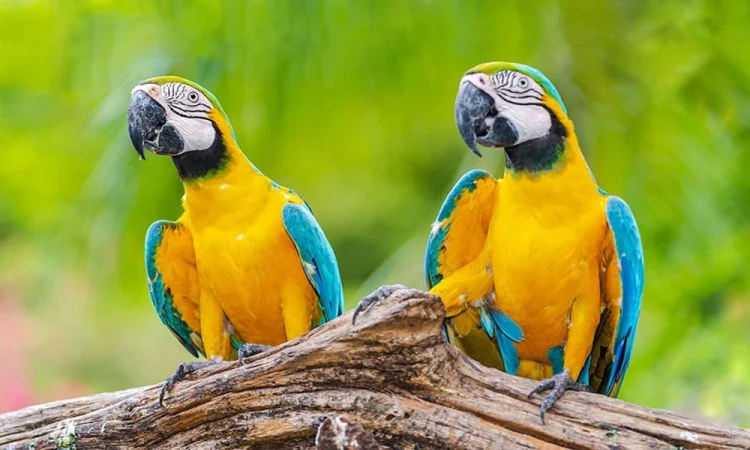
You know your pet’s habits. You know when your rabbit skips breakfast, when your bearded dragon stays under the heat lamp too long, or when your parrot goes quiet in a way that does not feel normal. That kind of change can put a knot in your stomach fast, because exotic pets do not get sick the same way dogs and cats do, and the signs are often subtle until they are not. When you need Brewerton veterinary care, having the right support for exotic pets matters.
That is why why exotic pet owners rely on specialized animal hospitals comes down to one simple truth. These animals need care built around their species, their anatomy, and the way they hide pain. A general clinic may be able to help with basic concerns, but a hospital that regularly treats birds, reptiles, amphibians, and small mammals is better equipped to catch problems early, handle emergencies safely, and guide you on daily care that prevents bigger trouble later.
Exotic pets need species specific medical care
Exotic pets are not small dogs or unusual cats. A ferret with adrenal disease, a guinea pig with dental overgrowth, and a snake with respiratory infection each need a different medical approach. The exam itself changes by species. So does restraint, diagnostic testing, anesthesia, housing, nutrition advice, and pain management.
You may already have felt this gap. You call around because your cockatiel is fluffed up and not perching well, and one office says they “see birds sometimes.” That answer rarely brings comfort. “Sometimes” is not the same as daily experience with fragile respiratory systems, stress sensitive handling, or the way birds can look stable right before they crash.
Specialized hospitals are set up for that reality. Teams trained in exotic animal medicine know what normal looks like across a wide range of species, which means they are more likely to spot the early signs that a non specialist could miss. Cornell’s exotic pets service shows the kind of focused care these patients often need, from advanced diagnostics to treatment plans shaped around uncommon species.
Hidden illness makes delays risky for exotic animal care
Many exotic pets are prey animals. In the wild, obvious weakness attracts danger, so they hide illness until they cannot. By the time you notice weight loss, labored breathing, reduced droppings, or a sudden change in behavior, the problem may be advanced. That delay is not your fault. It is part of owning an animal that is wired to mask distress.
This is where a specialized animal hospital changes the outcome. If your rabbit stops eating for half a day, that can point to gastrointestinal stasis, dental pain, stress, or obstruction. If your lizard refuses food, the cause could be husbandry, parasites, infection, poor UVB exposure, or metabolic bone disease. A broad “wait and see” approach can waste time these pets do not have.
Specialized veterinary care for exotic pets also matters because treatment mistakes hit harder in small or sensitive species. The wrong antibiotic, incorrect temperature support, or unsafe handling can make a bad situation worse. Precision matters here.
Daily care and human health risks often overlap
Exotic pet medicine is not only about emergencies. It is also about prevention, and prevention often starts with husbandry. Lighting, humidity, enclosure size, substrate, diet, enrichment, and sanitation all affect health. A specialized team can connect those details to medical issues in a way that saves money and stress over time.
There is also the human side. Some exotic pets can carry germs that spread to people, especially children, older adults, pregnant people, and anyone with a weaker immune system. The CDC outlines these healthy pets risk factors clearly. Good veterinary guidance helps you reduce those risks without panic, through safe cleaning routines, hand washing, habitat management, and regular exams.
General clinics and specialized animal hospitals offer different support
Most general practices care deeply and may handle routine needs well. The difference is depth, equipment, and repetition. When a team sees exotic species often, they build judgment that cannot be replaced by a quick reference sheet. That matters when symptoms are vague, anatomy is unusual, or stress from transport and handling can change the whole case.
| Care Need | General Animal Hospital | Specialized Animal Hospital |
|---|---|---|
| Routine wellness exam | May be available for some species | Usually tailored to species specific risks and husbandry review |
| Emergency recognition | Can stabilize basic issues | More likely to identify subtle exotic pet warning signs quickly |
| Diagnostics | Limited experience with uncommon species | More familiarity with imaging, lab work, and interpretation for exotics |
| Anesthesia and surgery | May refer out for higher risk species | Protocols are often adjusted for birds, reptiles, and small mammals |
| Husbandry counseling | Basic guidance | Detailed support on diet, enclosure, lighting, humidity, and behavior |
Exotic pet hospital services can prevent expensive crises
The cost concern is real. Specialized care can feel expensive at first glance, especially if you are already buying custom food, habitat equipment, and supplies. Yet delayed or incomplete care often costs more. A reptile with untreated calcium deficiency may need repeated visits and long recovery. A bird with a poorly understood respiratory issue may decline fast and require urgent hospitalization. A rabbit without timely dental care can stop eating and become critical in a day.
Owners often try to bridge the gap on their own with internet advice, over the counter products, or changes to the enclosure that may or may not address the real problem. That usually comes from love and worry, not neglect. Still, exotic species leave less room for trial and error.
Three steps you can take right now
Build a care plan before an emergency. Find a clinic or animal hospital that regularly treats your species. Save the number, hours, and after hours options in your phone. Emergencies feel worse when you are calling around while your pet is crashing.
Track normal so you can spot abnormal. Weigh your pet regularly if the species allows safe handling. Pay attention to appetite, droppings, activity, breathing, and posture. Small changes are often the first warning.
Schedule a husbandry focused wellness visit. Bring photos of the enclosure, details about diet, supplements, lighting, and cleaning routines. Many health problems in exotic pets start there, and small fixes can change everything.
Specialized care gives exotic pet owners clearer answers
You are not overreacting when you worry about a subtle change in an exotic pet. These animals can decline quietly, and they need medical care that respects how different they are. Specialized hospitals give you better odds of getting the right diagnosis, the right handling, and the right treatment before a manageable problem becomes a crisis.
If your pet is acting off, do not wait for the signs to become obvious. Reach out to an animal hospital with exotic pet experience and get guidance early. That step alone can protect your pet’s health and give you some much needed peace of mind.