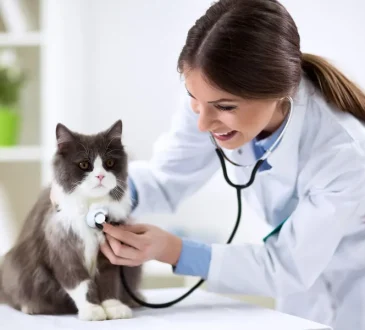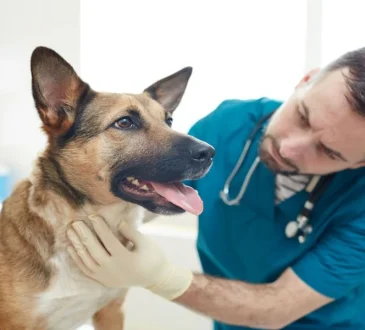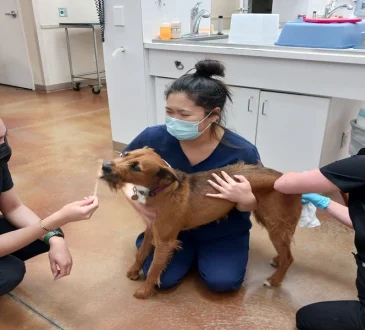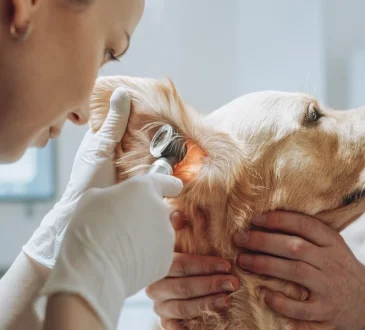

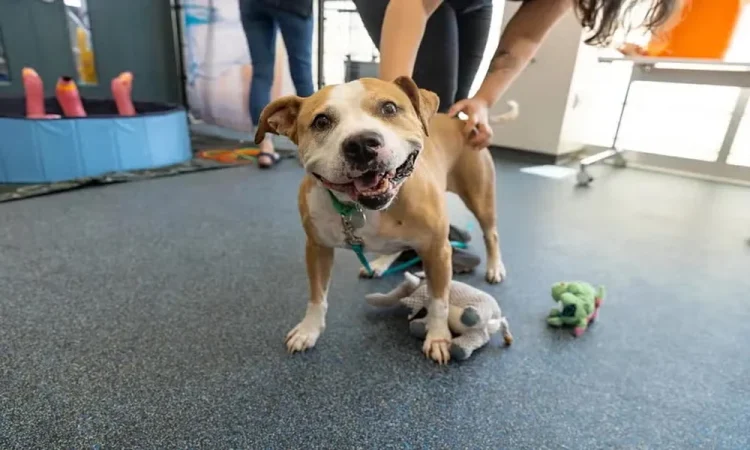
You might already know the feeling. Your dog starts shaking when the car turns toward the clinic, or your cat disappears the moment the carrier comes out, and by the time you arrive, everyone is tense. That stress can leave you dreading even routine visits, because what should be simple care starts to feel like a struggle. The good news is that many clinics now understand this pattern and are changing how care feels from the moment you leave home to the moment you walk back out the door, especially when working with a veterinarian in Encinitas, CA.
At its core, How Animal Hospitals Create Fear Free Environments For Pets comes down to one idea. When a veterinary team lowers fear, anxiety, and stress, pets are easier to examine, owners feel more at ease, and care often becomes safer and more effective. That can mean quieter spaces, gentler handling, better timing, treats, pheromones, and coaching you through the visit before it even begins.
Why can a routine animal hospital visit feel so hard for pets?
For many animals, a veterinary visit is full of triggers. There are new smells, unfamiliar people, slippery floors, strange sounds, and the memory of past discomfort. Because of that, even a healthy pet can walk into an animal hospital already on edge. If your pet has had a painful illness or a rough visit before, the reaction may be even stronger.
This matters more than people sometimes realize. A stressed pet may pant, hide, growl, freeze, or struggle. In cats, fear often looks quiet rather than loud, which means it can be missed. In dogs, stress may seem like excitement when it is actually anxiety. According to the AVMA guidance on fear-free veterinary visits, reducing fear and distress supports better welfare and can improve the quality of veterinary care.
So, where does that leave you? Usually in a frustrating middle ground. You know your pet needs care, but you also know the process can feel overwhelming. That is exactly why < em> fear-free veterinary visits matter. They do not remove every challenge, but they change the experience in ways that help pets cope.
How do animal hospitals reduce stress before your pet even walks in?
A calmer visit often starts at home. Many clinics encourage carrier training, short car rides, and reward-based practice before the appointment. For dogs, that might mean teaching your pet that getting in the car leads to treats and a calm return home. For cats, it often means leaving the carrier out year-round, so it becomes part of normal life instead of a warning sign.
Cornell’s guidance on making veterinary visits less stressful for dogs highlights how preparation, rewards, and positive handling can lower anxiety before the exam even begins. That may sound small, but small changes often shape the whole visit.
Some clinics also adjust scheduling. They may offer quieter appointment times, separate waiting areas, or direct to room check-in so your pet spends less time around barking dogs or other unfamiliar animals. For pets with severe anxiety, the team may talk with you ahead of time about anti-anxiety medication, pre-visit sedation, or a modified care plan. This is not a shortcut. It is often a humane way to prevent panic.
What does a low stress pet care environment look like inside the hospital?
Once inside, the details matter. A low stress pet care environment is usually quieter, slower, and more intentional. Staff may approach from the side instead of head-on. They may allow your pet a few minutes to settle. Towels, non-slip mats, soft voices, treats, and exam techniques that use less force can all make a real difference.
Texas A&M explains in its piece on stressful situations for pets that animals respond strongly to unfamiliar and intense settings. When hospitals reduce those triggers, pets are less likely to escalate into fear-based behavior. That can help the veterinary team get better exam findings too, since a panicked pet may have higher heart and breathing rates and may resist basic handling.
For some pets, the best exam does not happen on the table at all. It may happen on the floor, in the bottom half of a cat carrier, or with the owner nearby. A good animal hospital knows that cooperation often works better than restraint.
Which fear-free strategies help most during a veterinary visit?
Not every pet needs the same plan, which is why a tailored approach matters. One dog may need a quiet entrance and peanut butter during vaccines. Another may need medication before leaving home. A shy cat may do best with a towel wrap and a warmed exam room. A senior pet in pain may need extra padding and slower movement.
| Stress Trigger | Common Pet Response | Fear Free Approach |
|---|---|---|
| Carrier appears | Hiding, resisting, vocalizing | Leave carrier out at home, add bedding and treats, practice short positive sessions |
| Car ride | Panting, drooling, shaking | Take brief reward-based drives, use calming aids if advised by the clinic |
| Busy waiting room | Hypervigilance, barking, freezing | Wait in the car, use direct-to-room check-in, schedule quieter times |
| Physical restraint | Struggling, growling, shutdown | Use gentle handling, treats, towels, floor exams, and breaks when needed |
| Past bad experience | Fear before arrival | Create a written plan with the veterinary team for future visits |
Virginia Tech’s tips for stress free veterinary trips support this step by step approach. The idea is simple. Find the trigger, lower the intensity, and build more positive associations over time.
What can you do right now to help your pet have a better animal hospital experience?
1. Practice before the appointment. Bring out the carrier or leash well before the visit. Offer treats, praise, and short calm sessions. If your pet hates the car, start with sitting in the parked car, then build up slowly.
2. Ask the hospital about their fear-free process. You can ask whether they offer quiet appointment times, direct rooming, species-specific spaces, or pre-visit medication options. A good animal hospital will usually welcome that conversation.
3. Share your pet’s triggers clearly. Tell the team if your cat panics around dogs, if your dog fears nail trims, or if past restraint made things worse. The more they know, the more they can adjust the plan.
Can veterinary care feel easier next time?
Yes, and often more quickly than people expect. Fear does not disappear in one visit for every pet, but with planning and the right support, visits can become more manageable and far less upsetting. That matters for your pet’s comfort, and it matters for your peace of mind too. When care feels safer, you are more likely to keep up with the visits your pet needs.
If your pet struggles at the clinic, do not assume that is just how it has to be. Ask your veterinary team how they approach fear reduction and what changes could help at your next appointment. A calmer visit is possible, and your pet deserves that chance.