
You might feel like your pet seems fine, so a checkup can wait. That thought is common, especially when life is busy and your dog is still chasing toys or your cat is still napping in the same sunny spot every afternoon. But the hard part about pet health is that many problems begin quietly, and by the time you can see something is wrong, treatment may be harder, more stressful, and more costly. That is why regular visits to a veterinary clinic like Sarasota Veterinary matter. In simple terms, routine exams help catch small issues early, support better long term health, and give you a clearer picture of what your pet needs at each stage of life.
Pets are good at hiding pain. It is part of how many animals survive. Because of that, you may not notice weight loss, dental disease, joint pain, skin problems, or changes in heart health until those issues have progressed. That can leave you wondering if you missed something, or if you should have come in sooner. If you have ever felt that worry, you are not alone.
Why do routine veterinary visits matter if your pet already looks healthy?
This is where many pet owners get stuck. If your pet is eating, sleeping, and acting more or less the same, it is easy to assume everything is fine. But a wellness exam is not only about treating sickness. It is about building a health baseline, tracking change over time, and spotting patterns before they become bigger problems.
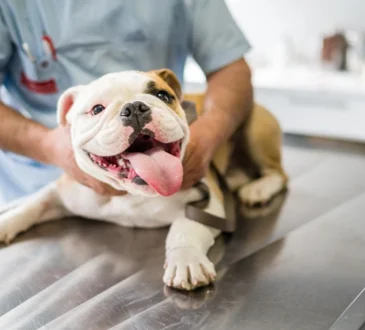
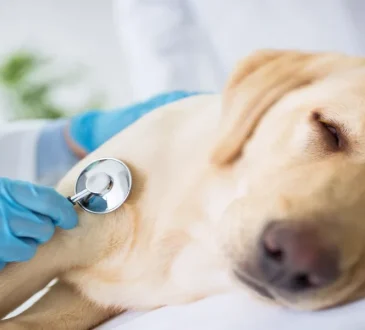
During regular pet health exams, a veterinarian may check weight trends, body condition, teeth and gums, ears, skin, heart and lung sounds, mobility, and behavior changes. They may also suggest lab work based on age, breed, or medical history. These details can reveal early signs of disease that are easy to miss at home.
For example, a senior dog may seem a little slower on walks. You might think it is just age. In some cases, it is arthritis that can be managed before pain limits daily life. A cat that drinks more water may simply seem thirsty, yet that change can point to kidney disease or diabetes. Early care often means more options and less strain on both you and your pet.
If you want a trusted overview of preventing illness and keeping animals safe around people, the CDC guidance on healthy pets and animals offers useful public health information. For a closer look at what happens during yearly visits, the annual wellness exam overview from the University of Georgia explains how these appointments support prevention and early detection.
What can happen when preventive care gets delayed?
Sometimes the cost of a checkup is what makes people pause. That is understandable. Pet care adds up, and no one wants to spend money on an appointment that feels unnecessary. But delayed care often becomes more expensive than prevention. A simple ear infection can become a chronic problem. Mild dental disease can lead to painful tooth loss or infection. Parasites can affect not only pets, but in some cases people in the home as well.
There is also the emotional cost. When a pet suddenly stops eating, starts limping, or struggles to breathe, the situation becomes urgent fast. You are no longer making calm decisions with time to think. You are reacting under pressure, and that can be overwhelming.
So, where does that leave you? It helps to think of preventive veterinary care as steady maintenance rather than a response to crisis. Just as people benefit from regular medical visits, pets benefit from routine monitoring that keeps small concerns from growing in silence.
How do regular checkups compare with waiting until there is a problem?
Looking at the difference side by side can make the choice clearer.
| Approach | What It Often Looks Like | Likely Impact |
|---|---|---|
| Regular checkups at a veterinary clinic | Yearly or age appropriate exams, vaccines, parasite prevention, dental checks, weight tracking, lab work when needed | Earlier detection, more treatment options, steadier costs over time, less emergency stress |
| Waiting for visible symptoms | Care starts after limping, vomiting, bad breath, appetite loss, skin issues, or behavior changes become obvious | Problems may be more advanced, treatment may cost more, recovery may take longer, stress often rises for both pet and owner |
This is why annual wellness exams for pets are so often recommended. They create a rhythm of care. Over time, that rhythm helps your veterinarian notice subtle changes that a one time emergency visit cannot show as clearly.
What should you do now if you want to protect your pet’s long term health?
1. Schedule care based on life stage.
Puppies, kittens, senior pets, and animals with chronic conditions often need more frequent visits than a healthy adult pet. If you are unsure what schedule fits your pet, ask your veterinary clinic to map it out. A younger pet may need vaccines and parasite screening. An older pet may need bloodwork, joint checks, and closer monitoring of organ function.
2. Track small changes at home.
Write down shifts in appetite, thirst, energy, bathroom habits, weight, mobility, or mood. These details may seem minor day to day, but they can be meaningful in an exam room. A short note on your phone before each visit can help your veterinarian connect the dots faster.
3. Treat routine visits as part of your budget, not a surprise.
This step can ease a lot of stress. Planning for checkups, vaccines, dental care, and testing when recommended makes pet care feel more manageable. It also makes it easier to say yes to care before a problem turns into an emergency. Even one regular visit can give you a clearer plan for food, exercise, prevention, and follow up needs.
Can a veterinary clinic really make that much difference over time?
Yes, often in ways you may not see right away. A veterinary clinic does more than respond when your pet is sick. It helps protect comfort, function, and quality of life across the years. That may mean catching dental disease before it causes pain, noticing weight gain before it strains the joints, or finding early signs of illness while treatment is still simpler.
You do not have to wait for a crisis to take action. If your pet has been due for a visit, this is a good time to schedule one and get a clearer picture of their health. Regular checkups are one of the kindest choices you can make, because they protect not only your pet’s body, but also the peace of mind you carry every day as the person who cares for them.