

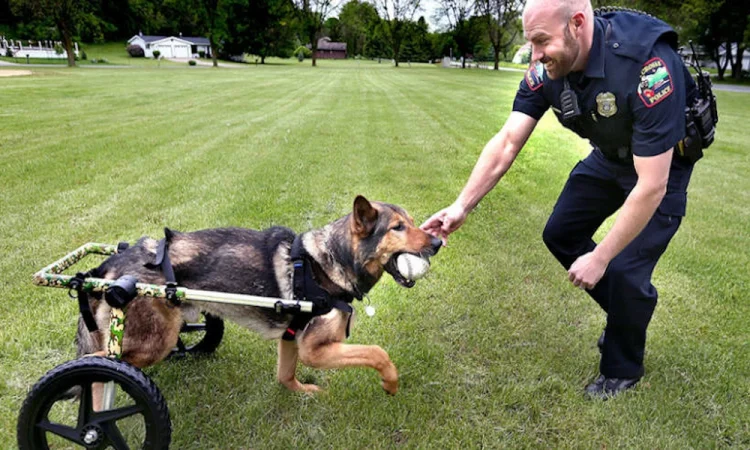

Retired police dogs have spent years working beside officers, protecting communities, finding missing people, and helping with important police work. When these loyal dogs leave service, many continue to live with their handlers. Others may become available for adoption by new families. If you have ever searched for police dogs for sale, it is important to know that retired police dogs are usually not sold like regular pets. Instead, they are often placed through adoption programs or directly through police departments and working-dog organizations.
Adopting a retired police dog can be a rewarding experience. These dogs are well trained, intelligent, and used to working closely with people. However, they may also have special needs because of their age, past training, and experiences on the job. Before adopting one, it is important to understand what life with a retired police dog can be like and how to find one that is a good match for your family.
Understanding Retired Police Dogs
What Do Police Dogs Do?
Police dogs, also called K-9s, work with law enforcement officers in many different ways. Depending on their training, they may help find missing people, search for illegal drugs or explosives, track suspects, locate evidence, or assist officers during dangerous situations.
These dogs receive a great deal of training before they begin working. They also build a strong relationship with their handlers. The handler and dog work together as a team, often spending many hours together during training and active duty.
Because of their training and experience, police dogs can be very focused and disciplined. At the same time, they still enjoy normal activities such as walking, playing, resting, and spending time with people they trust.
When Do Police Dogs Retire?
Most police dogs retire because of age. Many begin slowing down when they reach around 7 or 8 years old, although some may continue working until they are 10 or older. The exact retirement age depends on the dog’s health, breed, work, and physical condition.
Some dogs may retire earlier because of an injury or health problem. Others may leave training because they are not suited for police work. A dog that does not complete police training may still make an excellent family pet.
Retirement gives these dogs the chance to move away from demanding work and enjoy a quieter life. Instead of spending their days searching, tracking, or working with officers, they can spend their later years relaxing with a family.
Do Retired Police Dogs Need Special Care?
A retired police dog may need some extra care and patience. Years of demanding work can affect a dog’s body and behavior. Some dogs may have joint problems, hearing or vision changes, or other age-related health concerns.
Their past experiences can also affect how they behave at home. Some retired working dogs may have trouble being left alone, meeting unfamiliar people, or adjusting to a less structured routine.
This does not mean that every retired police dog will have behavior problems. Many adjust very well to family life. However, potential adopters should be prepared to give the dog time to settle in and should be willing to continue basic training when needed.
A calm home, regular exercise, clear rules, and plenty of patience can help a retired police dog adjust to retirement.
How to Adopt a Retired Police Dog
The Handler Usually Gets the First Choice
When a police dog retires, the first person considered as an adopter is often the dog’s handler. This makes sense because the dog and handler have usually spent years working and living together.
The handler already understands the dog’s personality, habits, training, and medical needs. Many handlers choose to keep their K-9 partners after retirement, allowing them to spend the rest of their lives together as pets.
If the handler cannot take the dog, another police officer or member of the department may sometimes be considered. Only after these options have been explored may the dog become available to a member of the public.
Contact Local Police Departments
If you want to adopt a retired police dog, one of the best things you can do is contact police departments in your area. Ask whether the department has a retired K-9 adoption program or knows of a dog that may soon need a home.
You can also contact K-9 training centers, law enforcement agencies, and organizations that work with retired service dogs. Some groups keep lists of people who are interested in adopting former working dogs.
Be prepared to wait. Retired police dogs are not available very often, and there may be many people interested in adopting them. Some departments may also have specific requirements for potential adopters.
Consider Organizations That Help Working Dogs
Several organizations help retired and former working dogs find safe and suitable homes. Mission K9, for example, works with former working dogs and may help arrange adoptions. Other organizations support retired police dogs by helping with medical care, training, and other needs.
When contacting an organization, ask about its adoption process, the dog’s history, age, health, training, and behavior around children and other animals. This information can help you decide whether the dog is suitable for your household.
Make Sure Your Home Is a Good Fit
Before adopting a retired police dog, think carefully about your home and daily routine. Some of these dogs are active and may need regular walks and mental exercise even after retirement.
You should also consider whether you have children, other pets, or frequent visitors. Ask the adoption group or police department how the dog behaves around different people and animals.
It is also important to plan for veterinary care. Older dogs may need regular checkups, medication, dental care, or treatment for age-related conditions. Understanding these possible costs before adoption can help you prepare for the future.
Give the Dog Time to Adjust
A retired police dog may not immediately understand that it no longer has to work. After spending years following commands and completing tasks, the dog may need time to learn how to relax.
Give the dog a quiet place to sleep, a regular daily routine, and plenty of positive attention. Avoid overwhelming the dog with too many visitors or new experiences during the first few days.
With patience and proper care, many retired police dogs can make wonderful companions. They have spent much of their lives helping people, and retirement can give them the chance to enjoy a safe and loving home.
Adopting a retired police dog is not always easy. These dogs are rarely available, and the application process can take time. However, if you are ready for the responsibility, giving a former K-9 a comfortable home can be a meaningful way to thank a dog that spent its working life serving others.
If a retired police dog is not available, consider adopting another former working dog or visiting a local animal shelter. Many dogs are waiting for families that can give them the care, attention, and love they deserve.