
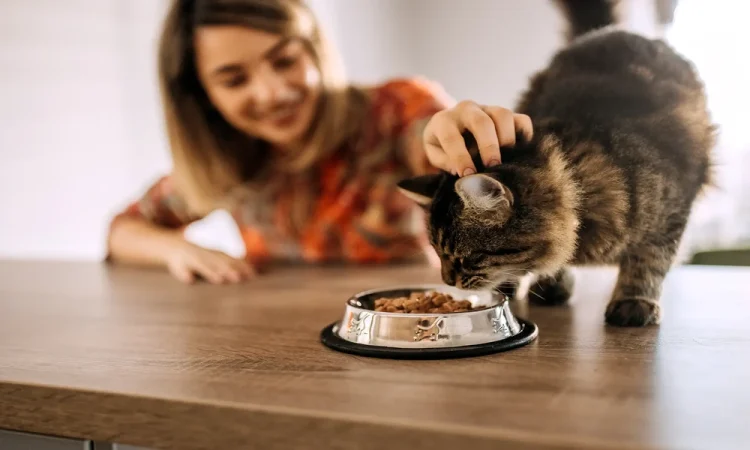
You might be looking at your pet’s food bowl and wondering how something as simple as feeding has become so complicated. One vet says your dog needs to lose weight. A friend swears by a certain “all natural” diet. Online forums tell you everything and nothing at the same time. At Richmond, TX Veterinary, you just want your pet to be healthy and comfortable, and instead you feel a little guilty every time you hand over a treat.end
If that sounds familiar, you are not alone. Many caring pet owners are quietly worrying about their pet’s weight or nutrition, unsure what to change, and afraid of making things worse. Because of this tension, you might be asking yourself a very honest question. Where does an animal hospital actually fit into all of this, and is it really worth involving a vet in your pet’s diet and weight?
Here is the short answer. Animal hospitals can turn guesswork into a clear plan. They use medical knowledge, nutrition science, and ongoing support to help your pet reach and maintain a healthy weight in a safe and realistic way. You do not have to become a nutrition expert. You just need the right partner and a plan that fits both your pet and your life.
Why pet nutrition feels so confusing and how animal hospitals bring clarity
It often starts with something small. Your cat can no longer jump to the top of the couch. Your dog is panting more on short walks. Maybe the groomer gently mentions that your pet has “filled out” since the last visit. You shrug it off, but in the back of your mind, you wonder if the extra pounds matter.
Then you hear that excess weight can shorten a pet’s life, strain joints, worsen arthritis, and increase the risk of diabetes and other diseases. The worry grows. You might cut back the food a little, eyeball portions, or switch brands based on marketing claims. When the scale barely moves, you feel frustrated, and sometimes you quietly give up.
This is where an animal hospital nutrition and weight management program changes the picture. Instead of vague advice like “feed less” or “exercise more,” your veterinary team can:
- Assess your pet’s body condition in a structured way.
- Estimate ideal body weight and safe weight loss targets.
- Recommend specific diets that match your pet’s medical needs.
- Create a feeding and treat schedule that works in your real life.
The American Animal Hospital Association has clear nutritional assessment guidelines that many animal hospitals follow. These guidelines help vets look at your pet’s life stage, body condition, muscle mass, health issues, and current diet in a consistent way. You can read more about these nutritional assessment recommendations for pets if you want a deeper look.
So where does that leave you? Instead of carrying the burden alone, you gain a partner that turns scattered information into a focused plan tailored to your pet.
From “just a little chubby” to medical concern: what really happens inside the body
It is easy to think of extra weight as only a cosmetic issue. After all, many people find “chunky” pets cute. The problem is that fat is not just stored energy. It is active tissue that can trigger inflammation and hormones that strain the body.
Consider a common scenario. A middle aged indoor cat slowly gains weight over a few years. At first, it is just a rounder belly. Then you notice less jumping and more sleeping. Arthritis begins earlier and feels worse. If diabetes develops, daily insulin injections may become part of your life. What started as “a few extra pounds” can turn into a long term medical routine, both emotionally and financially draining.
For dogs, especially breeds prone to joint disease, even a small weight reduction can make a big difference. Studies have shown that keeping dogs lean can extend their healthy years. Less weight on joints can mean fewer medications, fewer painful flare ups, and a better quality of life. This is where professional veterinary weight management becomes more than a diet. It becomes a way to protect future comfort and mobility.
Because of these connections, many animal hospitals treat nutrition as a core part of medical care, not an afterthought. They may even have access to board certified veterinary nutritionists or dedicated nutrition support services. For example, some university hospitals run companion animal nutrition services that help with complex cases, allergies, or home cooked diet plans. You can see how such a service works through the Companion Animal Nutrition Support Service at Ohio State.
DIY feeding vs animal hospital support: what is the real difference?
You might be wondering whether you truly need professional help. After all, you can read labels, measure food, and search for “best weight loss diet for dogs” on your own. So what actually changes when an animal hospital guides your pet’s nutrition and weight?
The table below compares common “do it yourself” efforts with an animal hospital nutrition program. It is not about judgment. It is about understanding what support you gain when you involve your veterinary team.
| Aspect | DIY at Home | Animal Hospital Support |
|---|---|---|
| Choosing a diet | Based on marketing, online reviews, or price. May not match medical needs. | Based on medical history, lab work, and body condition. Therapeutic diets available when needed. |
| Portion control | Often estimated with cups or “eyeballing.” Easy to overfeed by 10-20%. | Calculated calories, gram based measurements, and clear feeding charts. |
| Monitoring progress | Occasional weigh ins at home. Changes are hard to see day to day. | Regular clinic weigh ins, body condition scoring, and adjustments when progress stalls. |
| Managing health issues | Hard to balance weight loss with conditions like kidney disease, diabetes, or allergies. | Diets and plans chosen to support both weight goals and underlying medical problems. |
| Emotional support | Guilt and second guessing when results are slow. Easy to give up. | Guidance, reassurance, and realistic expectations from a veterinary team that has seen these challenges before. |
| Long term success | Weight often creeps back after initial effort. | Maintenance plans and follow up visits to keep your pet at a healthy weight. |
When you see it laid out this way, the difference is less about being “good” or “bad” at feeding your pet and more about having structured support. You still play the central role in daily feeding and care. The animal hospital simply gives you a safer map and checks in along the way.
Three steps you can take right now to support your pet’s weight and nutrition
You do not need to change everything overnight. Small, focused steps can already shift things in the right direction and prepare you for a more detailed conversation with your vet.
1. Get an honest picture of your pet’s current condition
Start by looking, not changing. Gently feel your pet’s ribs. In a healthy body condition, you can feel the ribs easily with light pressure, but they are not sharply visible. Look from above. There should be a noticeable waist behind the ribs, not a wide oval shape. From the side, you should see a slight “tuck” of the abdomen.
Write down what you notice and, if possible, take a few photos from the side and above. Bring these, along with your current food brand, feeding amounts, and treats, to your next veterinary visit. This honest snapshot gives your animal hospital team a strong starting point for a tailored pet nutrition and weight plan.
2. Measure everything for two weeks
Without changing the diet yet, measure all food and treats for about two weeks. Use a standard measuring cup at minimum. A small kitchen scale is even better. Record:
- Exact amount of main food at each meal.
- All treats, table scraps, chews, and “licks” of human food.
- Any supplements that contain calories.
This simple tracking exercise often reveals hidden calories. It also gives your vet clear data to work with. Instead of guessing, your animal hospital can calculate how many calories your pet currently eats and how to adjust safely.
3. Schedule a nutrition focused visit with your animal hospital
Once you have your notes and measurements, schedule a checkup specifically to talk about nutrition and weight. Ask for:
- A body weight and body condition score, and if needed, a muscle condition score.
- Discussion of any medical conditions that might affect diet choices.
- A calorie target and specific diet recommendations, including treat guidelines.
- A realistic timeline. Healthy weight loss is often slow, which is safer.
Ask how often your pet should come in for weigh ins and adjustments. Many animal hospitals offer quick nurse or technician visits for this, which can keep costs down while still giving you professional feedback. Over time, this partnership becomes the backbone of safe and effective veterinary nutrition and weight management for your pet.
Moving forward with more confidence and less guilt
If you have been feeling overwhelmed, guilty, or confused about your pet’s weight, it does not mean you have failed. It usually means you care deeply and have been trying to figure it out alone. You do not have to keep doing that.
Animal hospitals are not there only for emergencies or vaccines. They are there to help your pet live more comfortably for more years, and nutrition is a big part of that story. With a clear plan, regular check ins, and someone to answer questions when you feel stuck, the process becomes less about blame and more about teamwork.
Your next step can be as simple as making a note to bring up nutrition at your pet’s upcoming visit, or scheduling a dedicated weight check appointment. From there, you and your veterinary team can build a plan that fits your pet’s needs and your daily life, one measured meal and one gentle walk at a time.