Ingredient Transparency in Pet Food: How to Identify Premium Training Treats for Dogs

Pet owners want safe food for dogs. Clear labels build strong daily trust. Many treats look bright and appealing. But labels can hide true ingredient quality. So careful reading becomes very important. The right details help guide better choices, and this supports healthier habits for dogs over time.
Understanding Ingredient Transparency
Ingredient transparency means clear and honest labeling. Brands must show each ingredient used. The list should begin with real food items. Fresh meat often signals better product quality. Whole foods support strong daily nutrition. But unclear terms can confuse many buyers. Some labels use vague names for poor items, and this makes real quality harder to judge. Honest brands avoid hidden blends and unclear wording. They share full details without complex language. This approach helps dog owners feel secure. It also builds trust over long term use.
Recognizing High Quality Ingredients
High quality treats use simple natural ingredients. Real meat should appear first always. Fruits can support immune system strength. Artificial colors should not appear in good treats. Natural flavors give better taste and safety. Sometimes simple recipes deliver better health benefits. Short ingredient lists reduce hidden additives. They also make label reading much easier. The texture and smell also reflect ingredient quality. Fresh smelling treats often indicate better sourcing. Good brands avoid unnecessary processing and additives. This keeps nutrients closer to natural form.
Avoiding Harmful Additives
Many treats contain hidden chemicals and fillers. These can harm dogs slowly over time. Artificial sweeteners should always be avoided. Added sugar can damage long term health. Preservatives may extend shelf life but reduce value. So, checking labels helps prevent serious risks. Some additives improve color and appearance only. These do not help dog health at all. Low quality fillers add bulk without nutrition. They may also cause digestion issues in dogs. Owners should look for clean and simple formulas. Natural preservation methods offer safer alternatives. This reduces exposure to harmful substances daily.
The Value of Sourcing and Processing
Ingredient supply impacts product trust and safety. Quality ingredients come from reputable farms. Responsible farming is supported by ethical sourcing. Also preserves animal and environmental health. Processing affects nutrition retention. Natural nutrients are preserved by gentle cooking. Many essentials are removed by extensive processing. Heat degrades vitamins and proteins. Honest brands disclose sourcing. Their attention to excellence is also evident. Processing transparency boosts buyer confidence. Owners may learn how goodies are prepared. Knowledge helps make smarter purchases.
Choosing the Right Training Treats
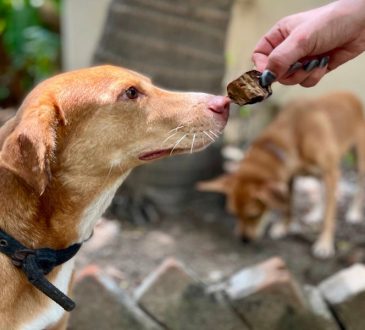
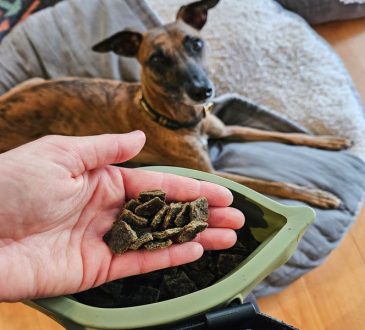
Training treats should be small and easy to use. They must support learning without harming health. Low calorie options work best for training sessions. Dogs respond better to natural taste and smell. Soft texture helps quick chewing during training. So quality treats improve learning results effectively. The highest quality dog training treats use clean ingredients and careful preparation, and they provide both strong flavor and balanced nutrition in every bite. Good treats should not distract from training focus. They should reward behavior without causing overfeeding. Consistency in quality supports better results over time.
Conclusion
Ingredient transparency supports better pet care decisions. Clear labels help guide safe daily choices. Dogs need clean and honest nutrition always. Avoiding harmful additives protects long term health. So, reading labels becomes an essential habit. Responsible brands provide full and clear information. This helps build trust and confidence in products.